Our world is an amazing part of our lives
Earth, our home, the only known habitable planet in our solar system, where all life forms, elements, matter, energy, and ecosystems work together as one to create and sustain life through its interconnected systems. A self-regulating organism governing weather, wind, tides, ocean currents and temperature.
The atmosphere protects us from harmful radiation from the sun and holds the oxygen that we breathe, released by trees and marine plants the lungs of the earth. 70% of our planet is covered by oceans that form into rivers and streams, providing us with water to drink, to wash ourselves, for agriculture as well as condensation to form clouds and produce rain.
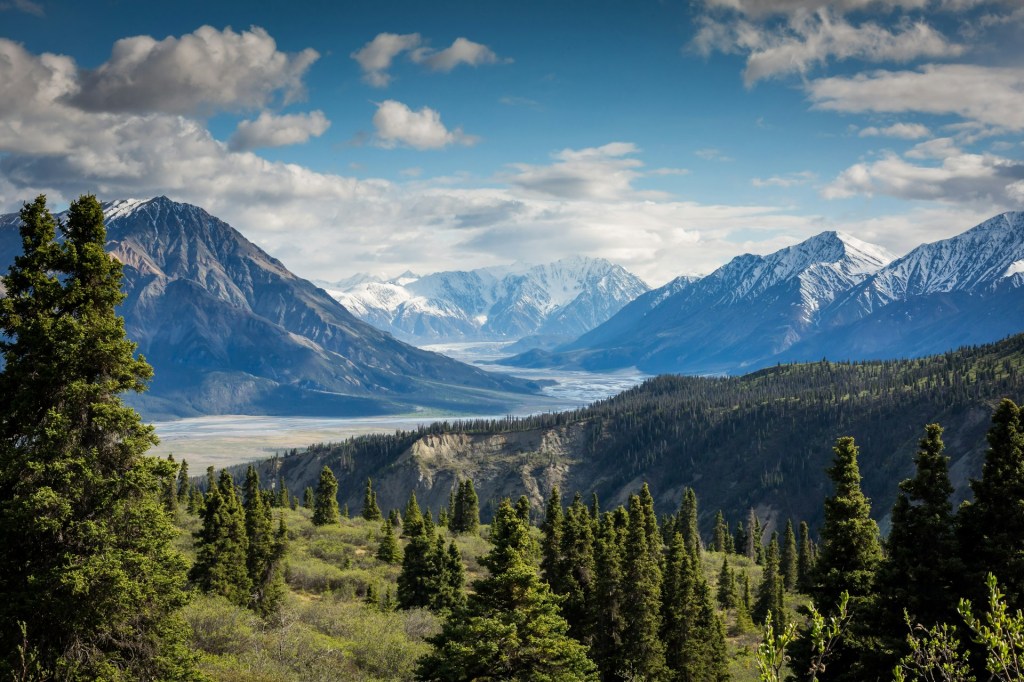
30% is land, making up continents, countries, natural habitats, and ecosystems, home to a rich biodiversity of plants, insects, birds, fungi, bacteria, reptiles, and animal life.
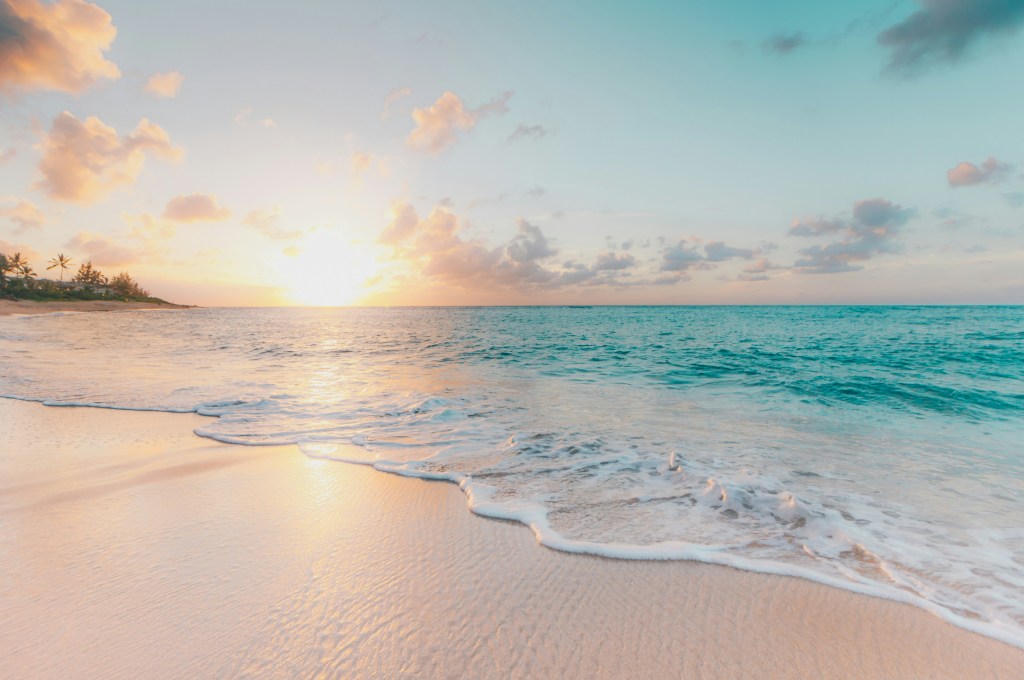
Every species on Earth is unique, a masterpiece of survival, evolved and adapted to its habitat, from sweeping grasslands and dense forests to the frozen tundra and humid tropical rainforests. Together, these form the world’s biomes across temperate, tropical and arctic regions.
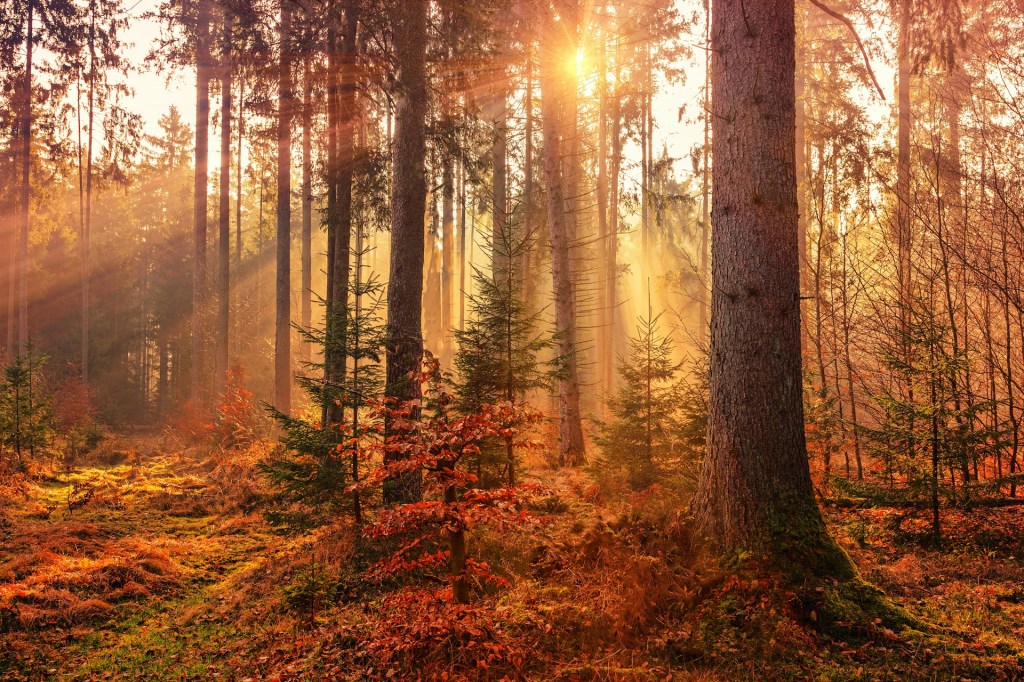
Over millions of years, life has survived even the harshest environments through remarkable adaptations. Species worldwide have acclimatised to hibernation, thousand-mile migration, defence mechanisms, metamorphosis, and shapeshifting, while others use camouflage to blend into their surroundings.
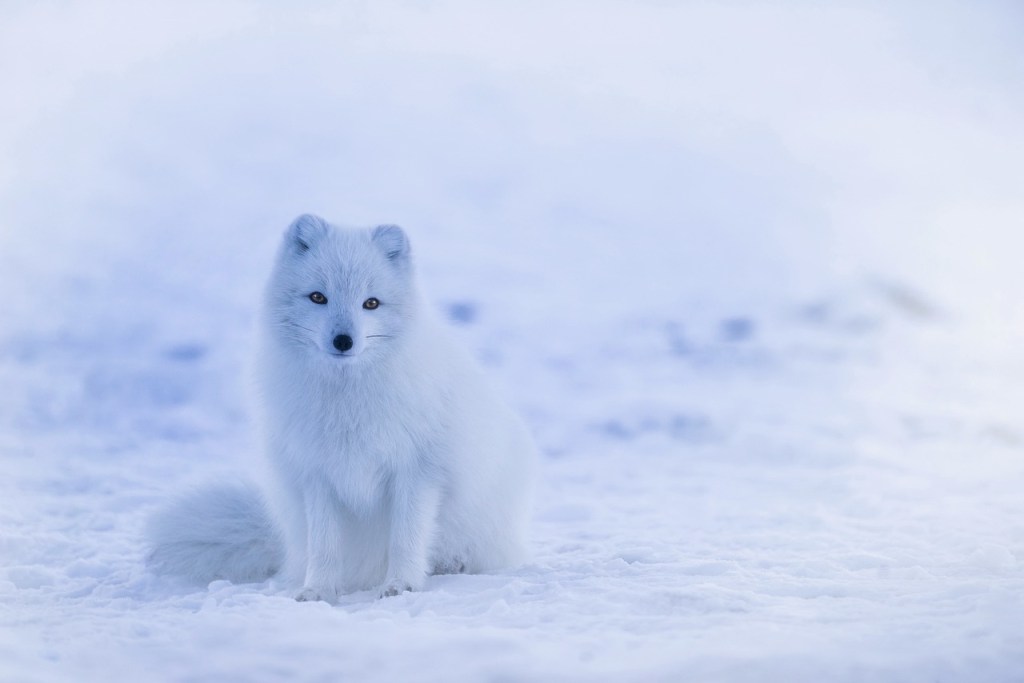
Every species carries its own remarkable strategy for survival, shaped over the millennia by evolution and adaptation. Some wear their defences externally; Porcupines, hedgehogs, spiny anteaters and sea urchins rely on their sharp quills and spines as natural shields against hungry predators. Others such as Armadillos, pangolins, beetles, crabs, shellfish and deep-sea snails-move through their habitat encased in armour, their bodies or shells sculpted into living shields, which have developed tough protective armour to strengthen their defences. Then there are the masters of deception, leaf insects that miraculously blend into the forest canopy, octopuses shift their colours to mirror coral and stone, and in the far northern tundra, the Arctic fox becomes a ghost in the snow, allowing it to slip unseen across the white expense. Its winter coat a perfect camouflage.
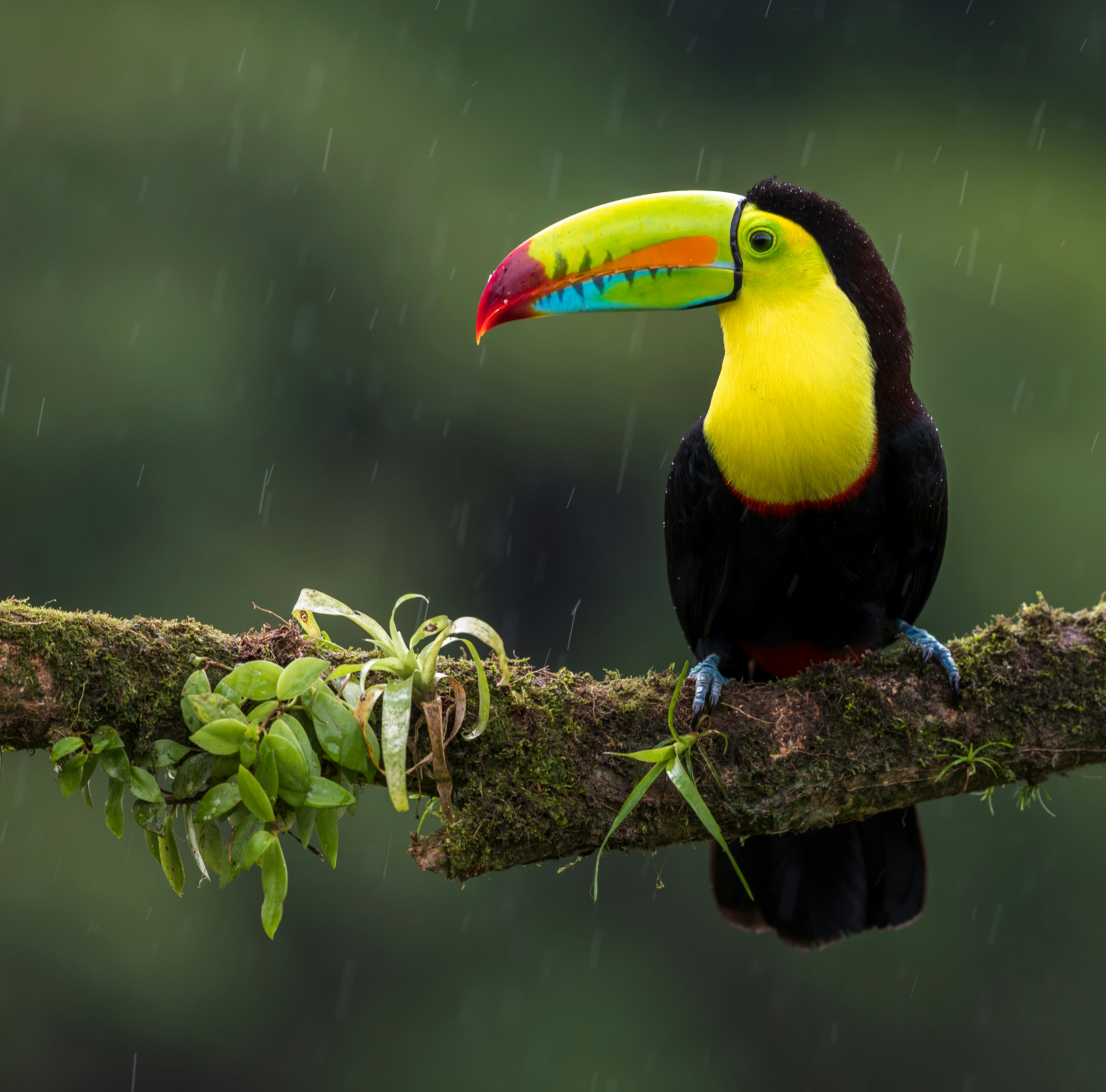
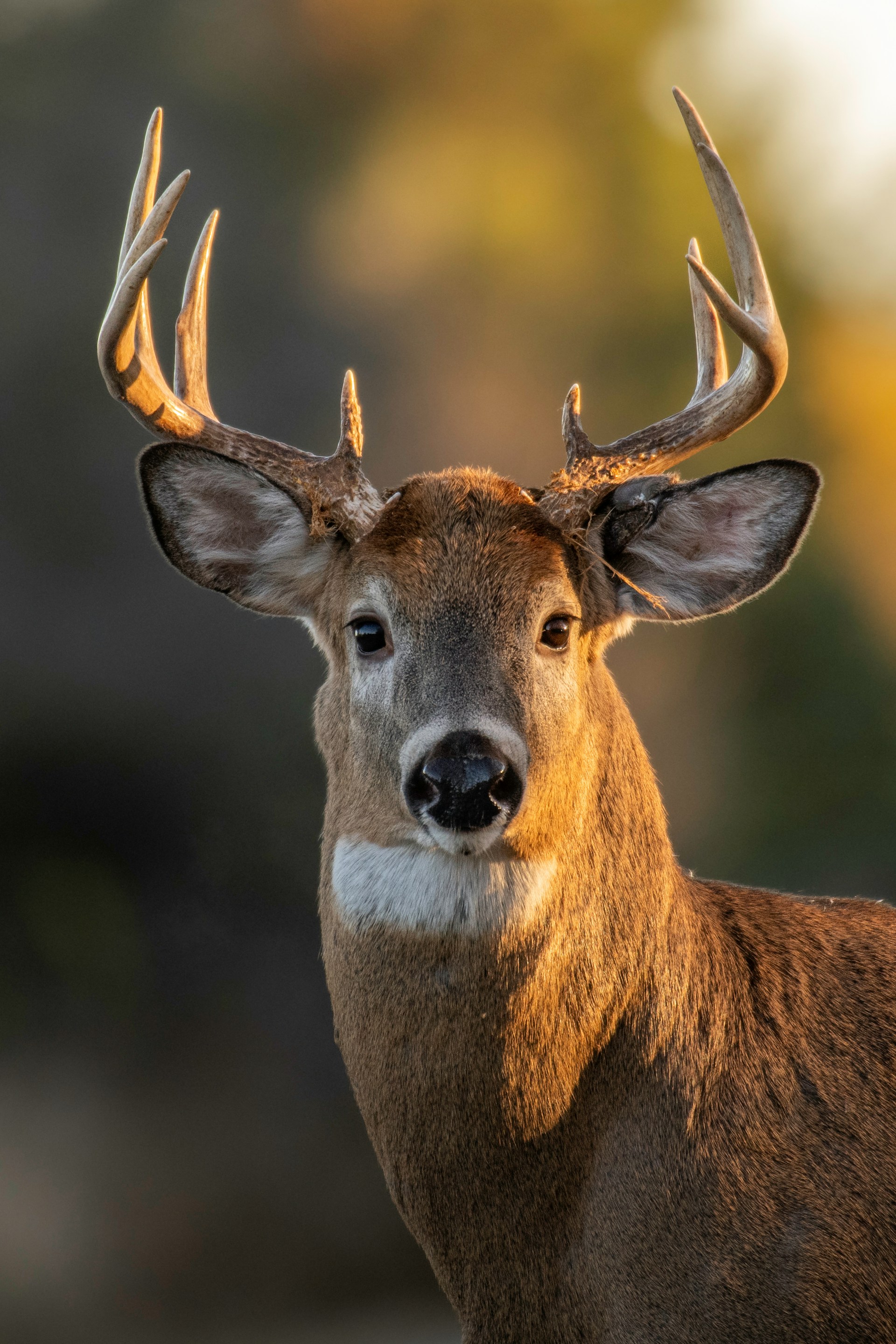
With all these remarkable beings-the camouflaged, the armoured, the hidden, coexist within the vast web of life. Their survival strategies are not just spectacular marvels of creation, but fragments of a larger more complex ecological story. Remanding us that resilience emerges from survival, adaption, determination, relationship, and the harmony within the environments that we shape.
Amazing life in the Great Barrier Reef
The Great Barrier Reef lies in the turquoise waters of the Coral Sea in the Pacific Ocean. It is home to an amazing array of species that live among the corals, such as vibrant anemones, starfish, octopus, turtles, dolphins, whales, fish, porpoise and dugongs. The Cuttlefish, often called the chameleon of the sea, is a remarkable marine mollusc capable of changing its colour and texture within seconds, thanks to its specialised cells called chromatophores. It can blend seamlessly into its surroundings, mimicking kelp forests, seagrass and coral to hide from potential predators. The cuttlefish can also display up to six distinct long-lasting textures and colours, such as iridescent green, blue, silver, and gold.
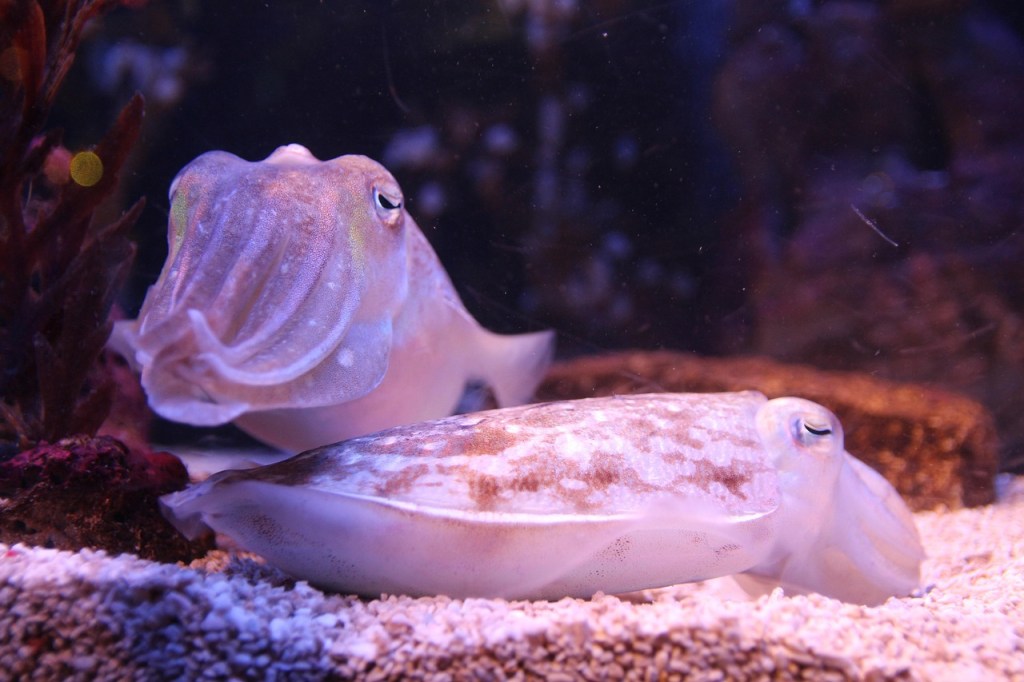
Inside each Chromatophore is a stretchy sac filled with a pigment known as the Cytoelastic sacculus. The Greek word for cuttlefish is ‘Sepia’, named after the reddish-brown pigment in its siphon, which was used as an ink for writing and drawing during the Greco-Roman period. This remarkable creature also has three hearts; two pump blood to its gills and the third circulates it through its body. Unlike red iron-rich haemoglobin blood, the cuttlefish has blue-green hemocyanin blood, which contains a copper protein and carries oxygen.
Another fascinating species, has unique shapeshifting abilities. The deep-sea Carnarvon flapjack octopus, recently discovered off the coast of Australia, has a small, soft, jelly-like body, enormous eyes, and bright red tentacles. Thanks to its flexible body, soft tissue, and lack of an internal skeleton, it can flatten itself like a pancake and squeeze through tiny spaces to hide from predators in holes and crevices.
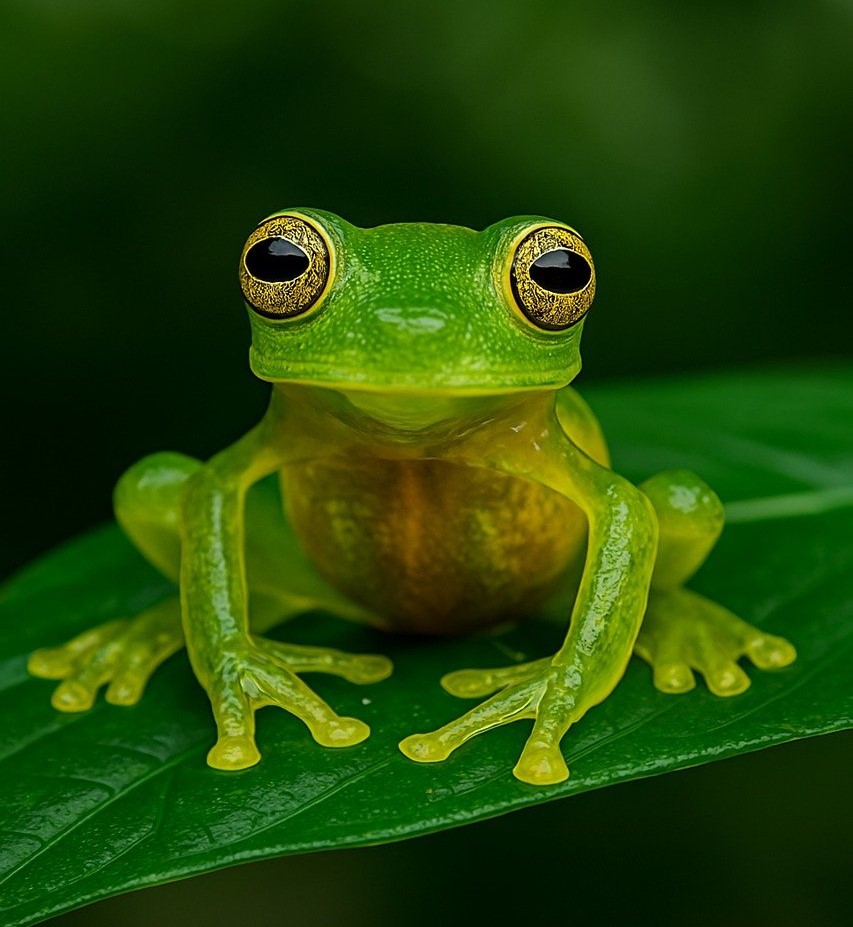
There are still many amazing creatures deep in the ocean that remain undiscovered. Life so unique that we can only imagine it in our wildest dreams. Yet, deep in the South American rainforest, a Fleischmann’s glass frog sleeps on a leaf, its body completely transparent as its blood flows into its liver, making its organs and heart visible, a marvel of nature. When the light hits its body, this frog vanishes from the eyes of hungry predators.
Other amazing life
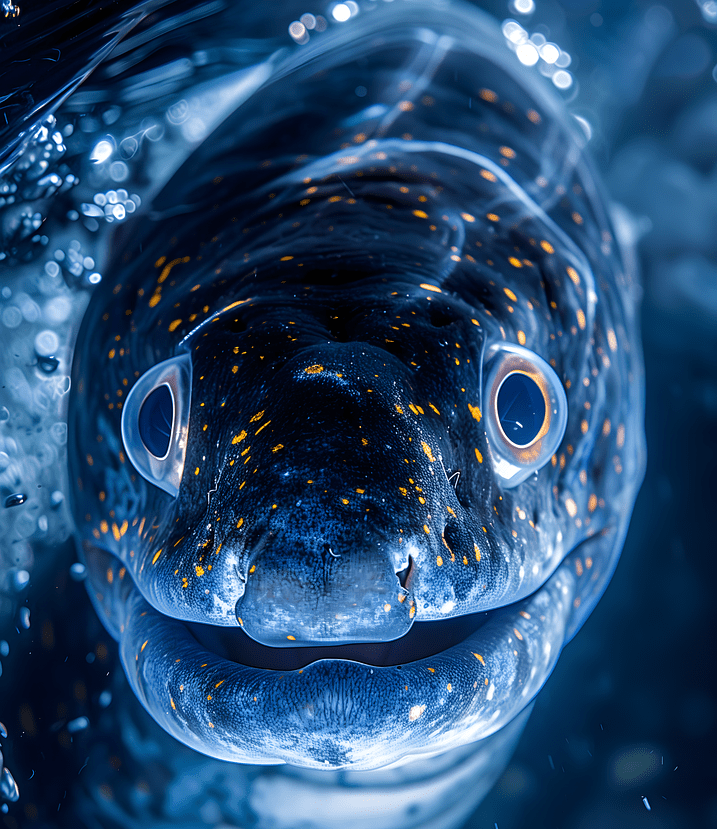
Others have gained remarkable qualities. For example, electric eels—three species that have mastered the art of generating electricity. These unique fish can unleash shocks of up to 860 volts to ward off predators or detect the electric fields of nearby creatures. Their bodies contain three specialised organs packed with electrocytes, which work much like tiny batteries. Notably, the study of electric eels in 1775 inspired the invention of the electric battery just 25 years later.
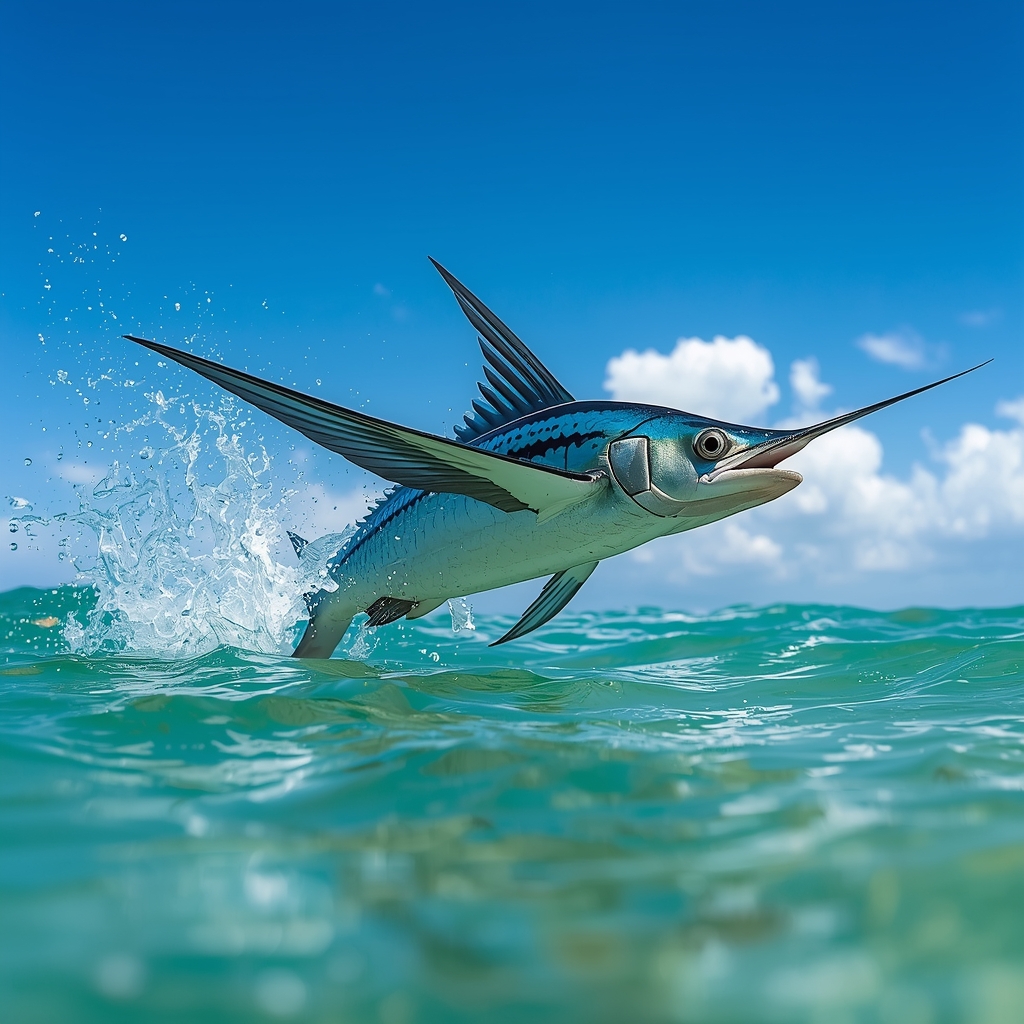
Across the living world, countless animals have discovered unique ways of reaching the sky. Flying lizards, squirrels, fish, possums, tree snakes, rays, squid, and even spiders have all evolved forms of gliding or flight—each one a reminder that the Earth is full of unseen miracles, unfolding in tree branches, oceans, and night forests.
The flying squirrel, a nocturnal member of the Pteromyini tribe, is one such moonlit traveller. By night, it becomes a drifting shadow, gliding up to 450 metres on a soft membrane of fur stretching from wrist to ankle. Its limbs catch the air; its tail steers. Under ultraviolet light, its fur is believed to glow—an otherworldly radiance hidden from ordinary sight. Yet this remarkable species faces growing threats as its forest home slowly disappears.
Australia’s greater glider, Petauroides volans (a type of possum above), carries a similar magic. Cloaked in white, dark brown, or black fur, with large ears and a long, expressive tail, it moves silently through eucalyptus forests after dusk. A wing-like membrane from the elbow to the ankle allows it to fly between branches in search of nourishment, up to a hundred metres.
The oceans hold their own aerial wonders. Mobula rays, native to tropical and warm temperate waters, can burst from the sea in a spectacular leap, gliding up to two metres above the surface. Their diamond-shaped bodies and sweeping fins act like wings.
Seventy species of flying fish share a similar gift: their streamlined bodies and wing-like fins allow them to propel from the water and glide for distances of up to 200 metres, skimming the shimmering threshold between sea and sky.
In the forests of Southeast Asia, the paradise flying snake, Chrysopelea paradisi, adds a serpentine grace to the art of gliding. This vibrant reptile, which is two to four feet long, is adorned with green scales and red markings that help it grip tree bark. It flattens its ribs into a circular, aerodynamic shape, transforming its body into a living ribbon of air. It can glide up to 30 metres, weaving from tree to tree with astonishing control.
Other reptiles have mastered similar arts. Flying geckos, native to Southeast Asia’s tropical rainforests, can glide up to 60 metres using flap-like skin that extends from their neck, limbs, and tail. The Draco lizard, another arboreal glider, unfurls parachute-like wings formed by elongated ribs, lifting its body as it sails through the canopy.
Every form of life
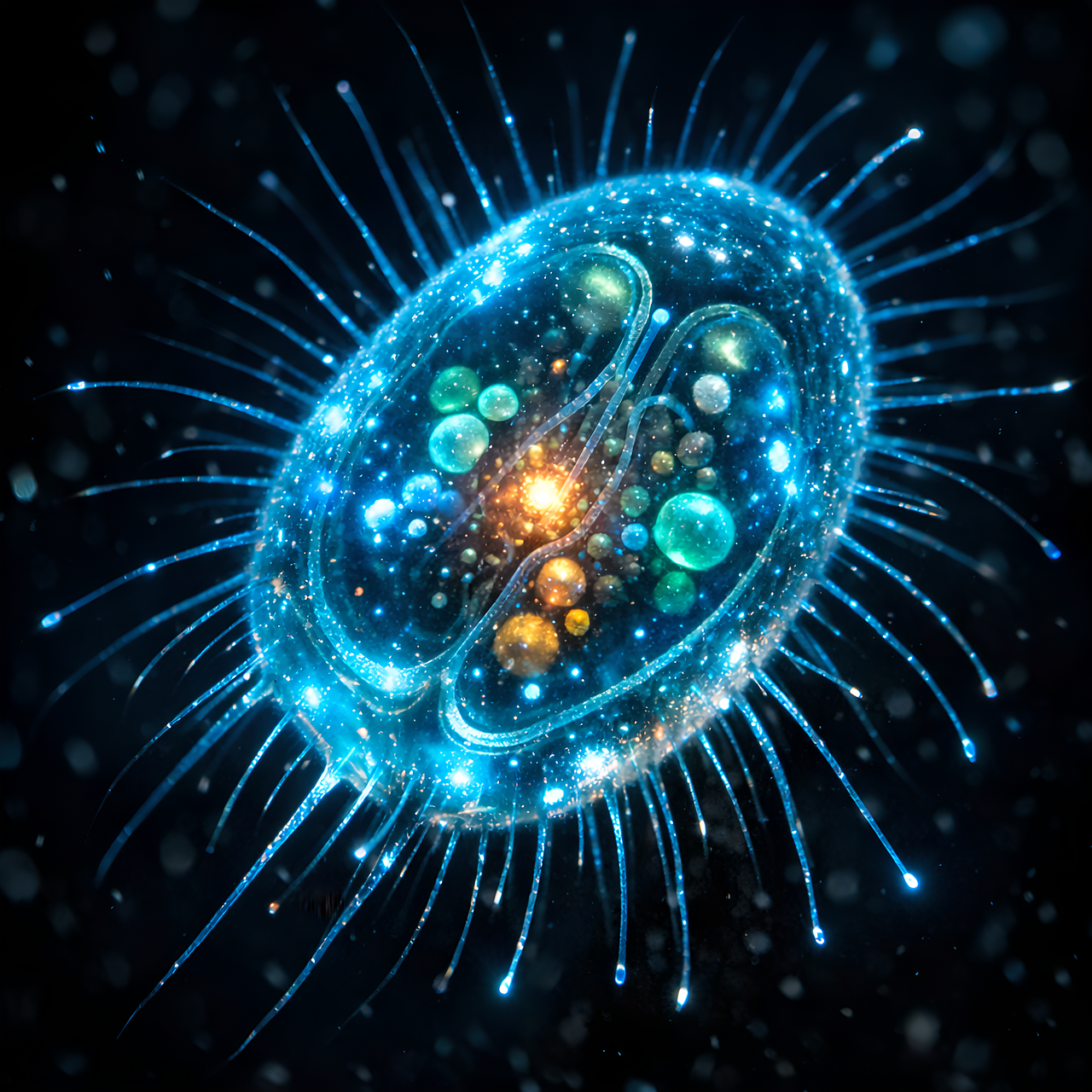
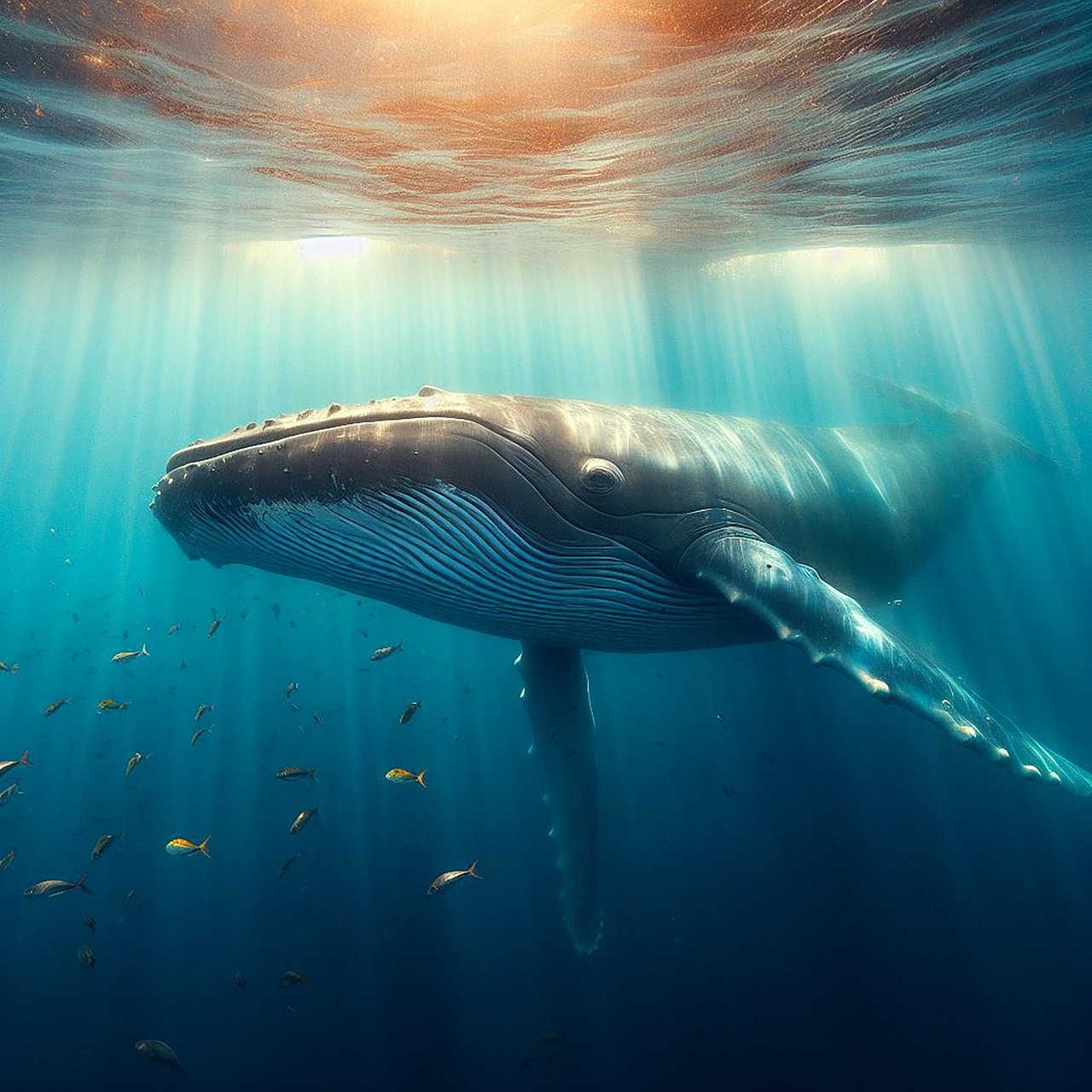
Every form of life on Earth, from the tiniest microorganism to the largest blue whale, is sacred, not only in its existence, but in the vital role it plays in the living systems that sustain our planet. Nothing stands alone, every species is part of an intricate ecological network, exchanging energy, shaping habitats and influencing the balance of the world around us. We are woven into the same web of life, living and interacting with ecosystems that hold us more intimately than we realise.
We only live in one world; an amazing world that is slowly falling into decline due to pollution, habitat loss, deforestation, the decline of species and urban expansion. We must do more to preserve our world, by learning to live in harmony with nature, making a cleaner, healthier and more eco-friendly planet using natural resources for energy, recycling, water conservation, improving air quality and using organic materials.
When we come to acknowledge both the beauty and the fragility of the Earth, we’re called into a deeper sense of responsibility—one that invites us to act with care, creativity, and courage. Every choice we make, from how we use resources to how we protect the living beings around us, becomes part of a larger story of restoration. And together, those choices can shape a future where the planet not only survives, but thrives.
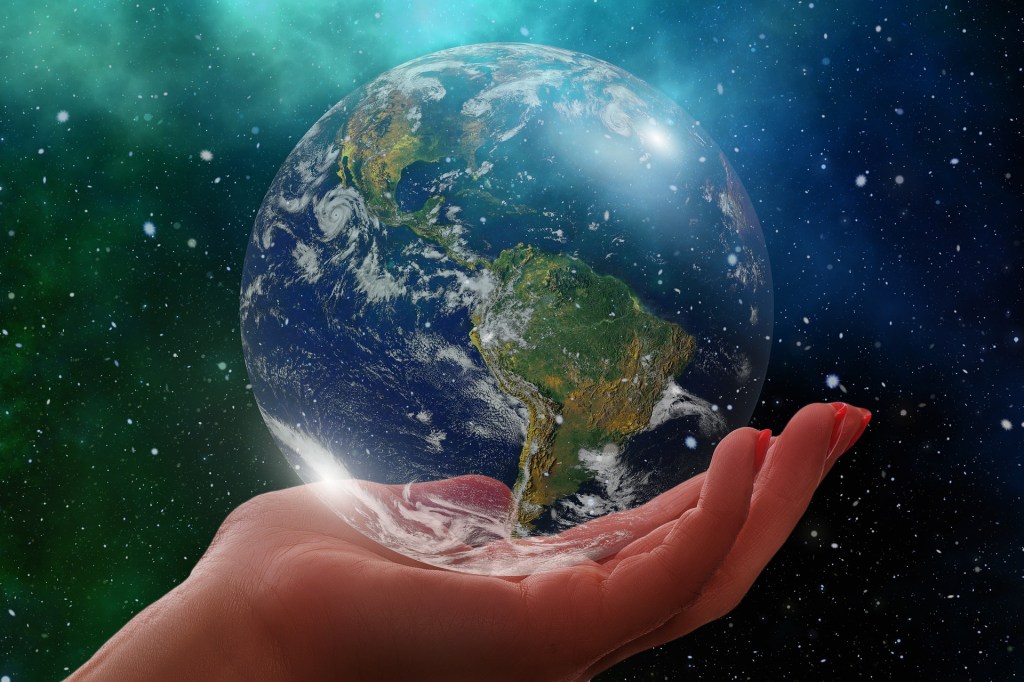
“We are all interconnected, people, animals, our environment. When nature suffers, we suffer. And when nature flourishes we flourish.”
Jane Goodall
Primatologist & Anthropologist
1934-2025

