Discover the beauty of Nature
The Beauty of Nature is simply breathtaking, with the immense amount of life that exists on Earth. The millions of bird, animal, insect, and plant species, the stunning views of the countryside, the melody of birds, the invigorating fragrance of flowers, and the warmth of the sun that we absorb for vitamin D… Our World is a sacred part of our lives that we need to protect to ensure a brighter future for generations to come.
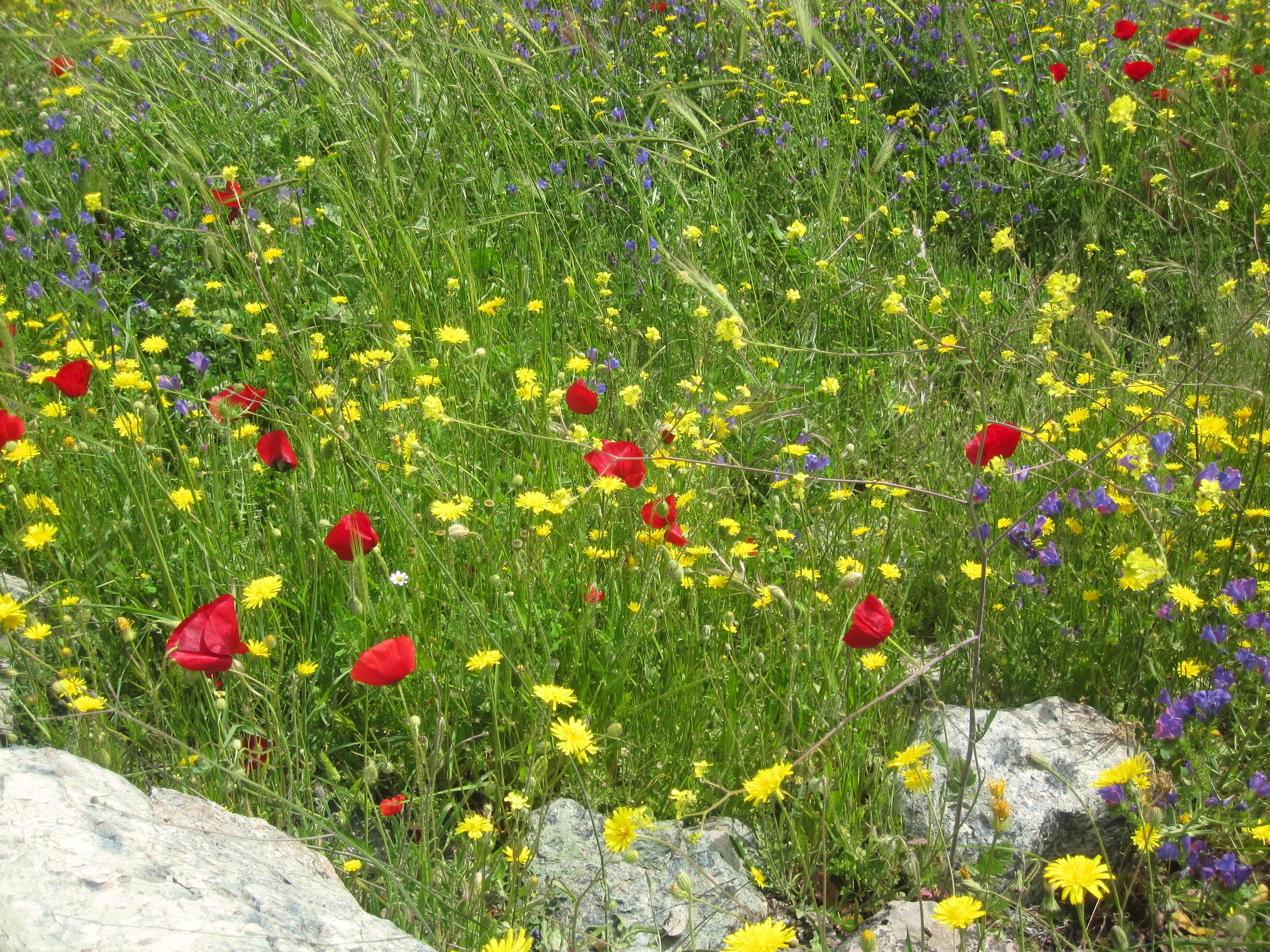
Every species on Earth is unique, a masterpiece of survival, evolved and adapted to its habitat. Greece showcases this spectacularly, with its mountain ranges, islands, beaches, forests, wildflower meadows, and rich marine life. Ecosystems support an impressive array of wildlife. Wolves prowl ancient forests, brown bears roam remote highlands, and wild goats navigate cliff faces, each perfectly suited to their corner of this Mediterranean haven.
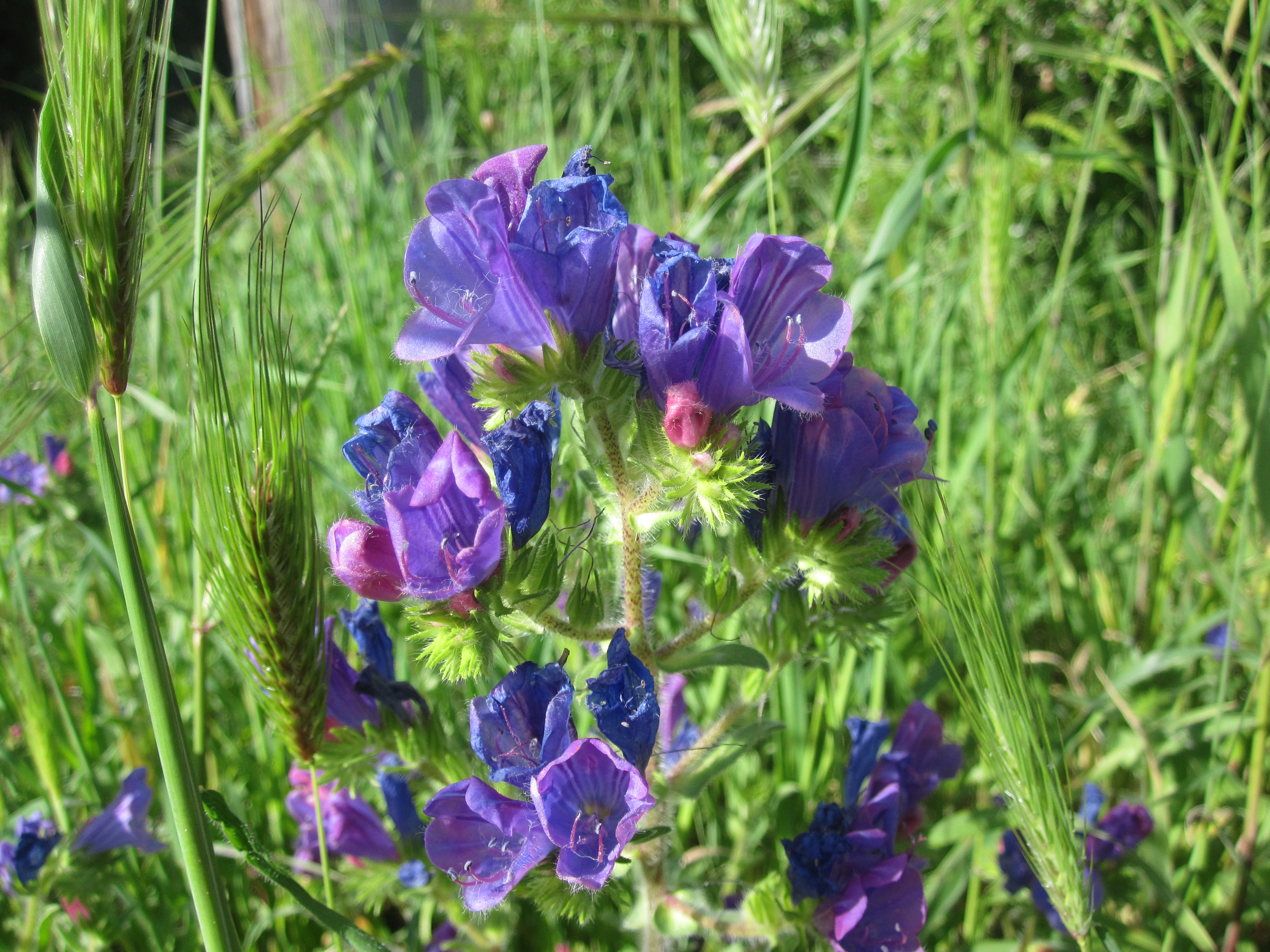
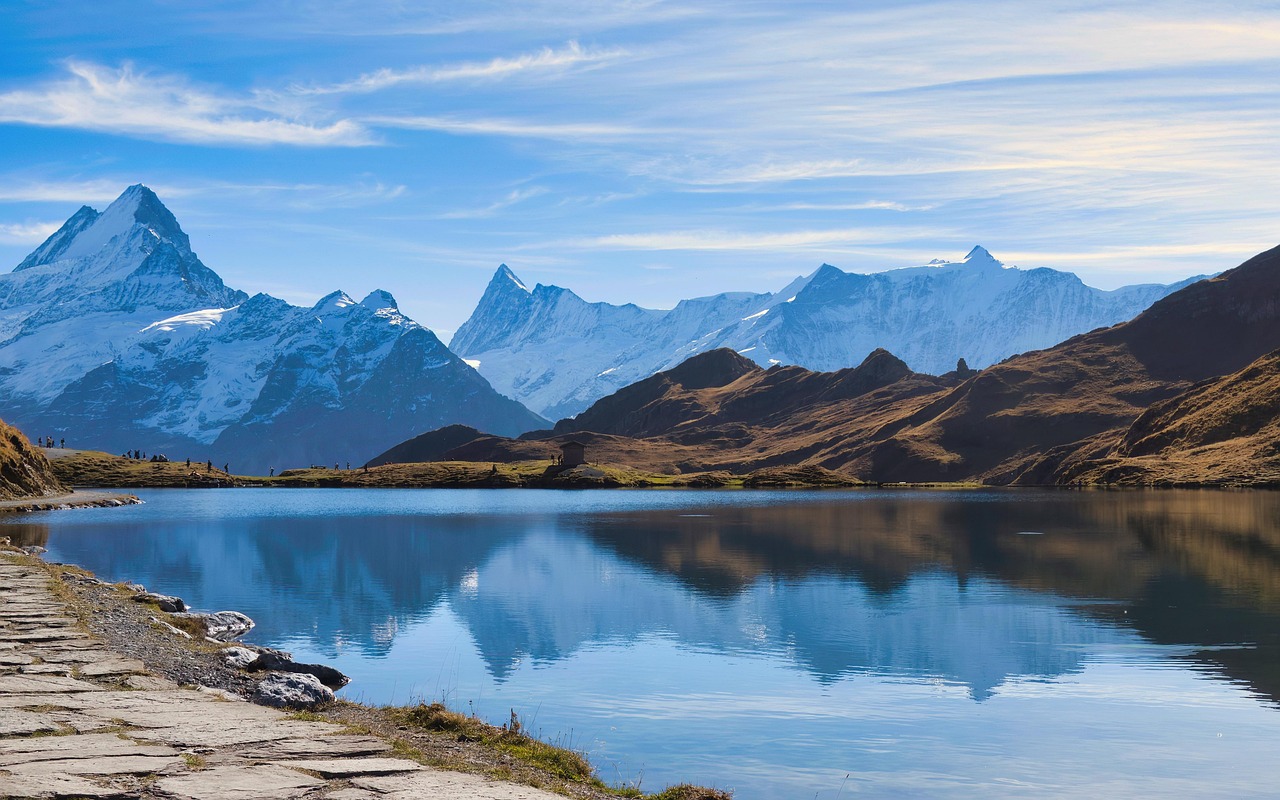
The Island of Crete is mysterious, carrying ancient secrets from past civilisations. It is like a whole continent in one, with its fourteen mountain ranges, a hundred gorges, ravines, plains, meadows, hills, woodlands, lakes, plateaus, wetlands, and beaches. It is the only island in Europe with high mountain ranges that stretch across the whole land.
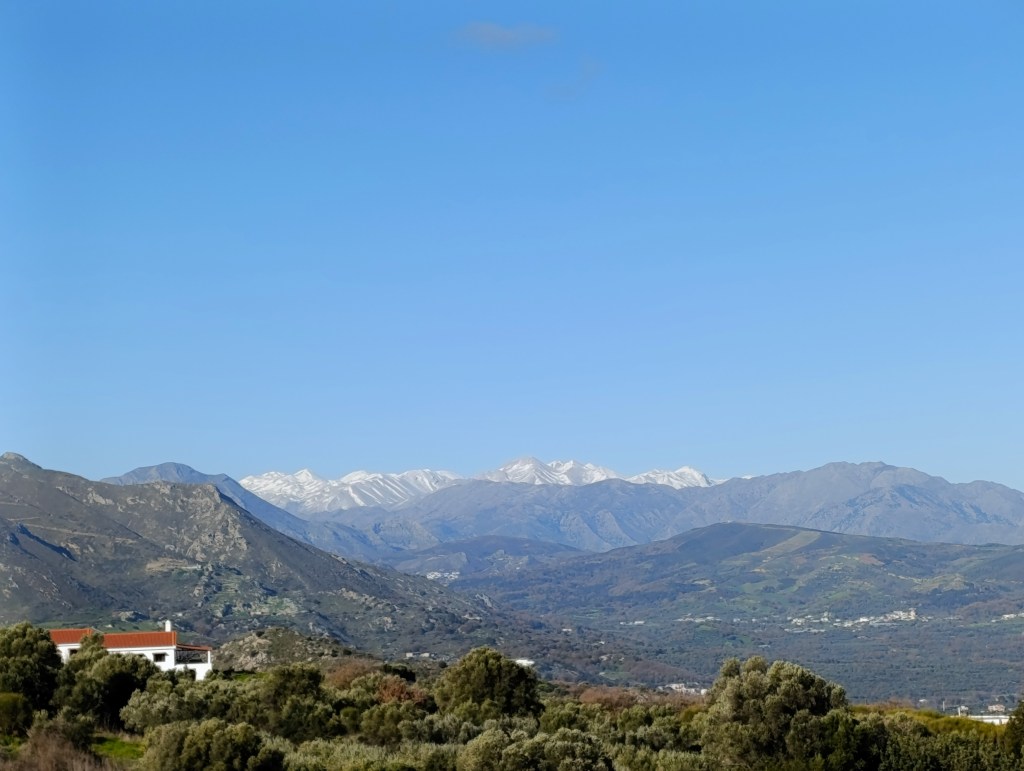
The White Mountains, Lefka Ori, are the largest and most striking mountains on the island, reaching a height of 2,200. They consist of 50 gorges, caves, limestone cliffs, hills, and woodlands. In winter, their white-covered peaks stand out until late spring, surrounded by lower mountain ranges known as the phyilitees and quartz. The upper central part of the mountains has high plateaus, like Omalos, Anopolis, Askyfou, Tavri, and Niatos. Which are cooler and more fertile compared to other areas, with refreshing springs and mild summers
Omalos is the most well-known, a circular flat plain with impressive views. It is an area of natural beauty, surrounded by mountains and features a botanical park and gardens with many rare plant, bird, reptile, insect, and animal species. In Spring and summer, wildflowers cover the area and are visited by rare swallowtail butterflies, Mediterranean bees, and lizards. The climate is perfect for growing crops, beekeeping, and the grazing of sheep and goats. Stone round houses were also built here for cheese making.
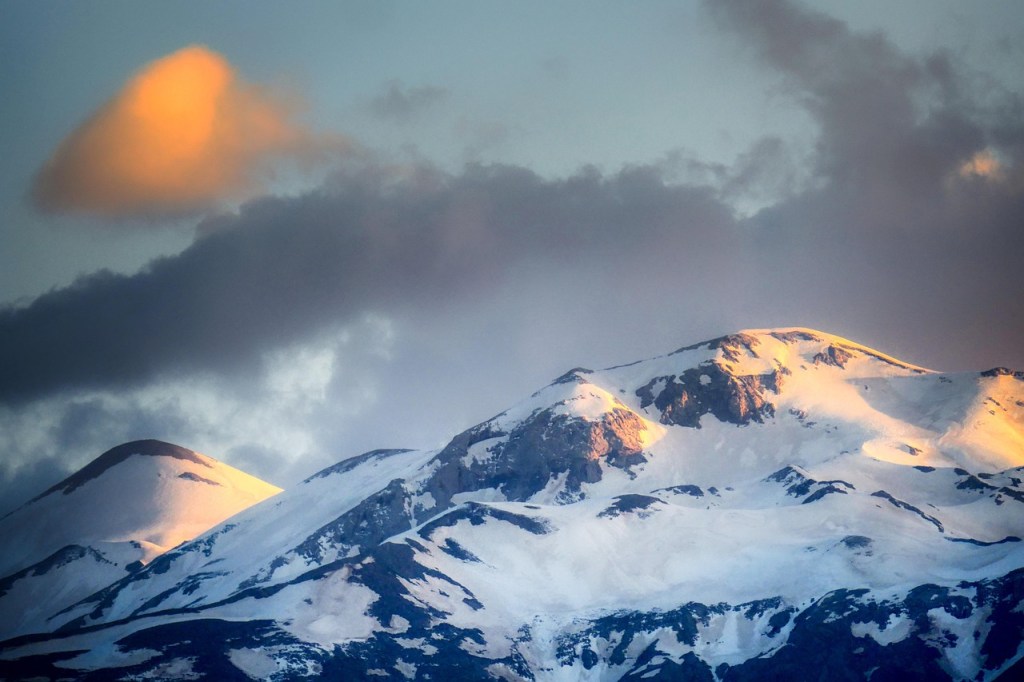
The White Mountains are a treasure trove of biodiversity, with their diverse range of flora and fauna, including up to 650 different plant species, many of which are unique and grow nowhere else in Crete or the World.
In spring, the stunning multicoloured tulips (Tulipa bakeri) spread over fields, crevices, flat clay soils, and meadows of the Omalos high plateaus, revealing a spectacular display from March until April. Their star-like flowers have pink tips, light in the centre with golden anthers. The leaves are elongated and lanceolate, with frilled edges.
The Cretan ebony (Ebenus cretica) is a striking, large bushy shrub found only in Crete, growing up to 100cm tall. Although in recent years, it has been cultivated and grown in Mediterranean gardens. From March to June, it can cover a whole hillside with its bright pink to purple flower clusters that form pyramidal spikes and hairy bracts. This plant has small, furry leaves with tiny hairs and three to five pointed leaflets. It grows in gorges, by the coast, in rocky areas, and on cliffs.
Bupleurum kakiskalae is a rare branching plant found on the upper limestone cliffs of the White Mountains in Sfakia. It is considered critically endangered, likely due to its short lifespan of 12 years. In its final years, the plant produces many small yellow flowers between July and August. Once it spreads its seeds, the plant dies. Its blue-green, narrow oblanceolate leaves form a rosette.
Cretan Dittany (Origanum dictamnus), a medicinal aromatic herb considered sacred to Eleuthia, the Greek goddess of midwifery and childbirth, was also used for healing at the temple of Memphis. This species grows in remote, wild areas of Crete on mountainsides, gorges, and cliffs at altitudes of up to 1900 metres. Its leaves are soft, rounded, woolly, and covered in small white hairs. The flowers, which bloom from June to October, are pale pink with purple-pink bracts. Local traditions describe how Cretans would climb steep gorges to collect flowering dittany for their loved ones, as a symbol of their love. Since antiquity, this herb has been used for wound healing, treating infections, reducing scars, and alleviating headaches, stomach-aches, toothaches, and sore throats. In Mythology, this herb was used to heal Aphrodite’s son, Aeneas, who was wounded by an arrow during the battle of Troy. It is now classed as vulnerable by the IUCN Red List of Threatened Plant Species.
The Cretan zelkova (Zelkova abelica) is a rare tree that grows in the White Mountains and is endemic to the rocky, mountainous areas of Crete. It can reach 10 metres in height and has dark green, elliptic leaves with serrated edges. Its small, white, fragrant flowers turn into dry fruit after pollination, with a seed inside that is spread by wind. The tree is listed as near-threatened on the IUCN list and is now protected. In the past, young trees were used to make traditional shepherd crooks called Katsouna for guiding flocks and livestock, but today, woods like oak and mulberry are used instead.
Butterflies of Crete
Crete is home to four butterfly species, found nowhere else on Earth- The Cretan Fastoon, Cretan Grayling, Cretan Small Heath, and Cretan Argus. These butterflies are more than biological treasures; they are small, winged messengers carried on the island’s wings, each one a fleeting brushstroke of colour across the Cretan landscape.
Zerynthia Cretica, known as the Cretan Fastoon, drifts through rocky slopes, olive groves, and vineyards from March to June. Its pale yellow wings look as though they’ve been painted by sunlight itself- with its pointed upper wings lightly brushed with bold black veins, and rounded wings adorned with red & black spots like tiny embers. Females are larger and deeper in hue, carrying even more intricate markings. This species is considered near threatened and is listed on the red list of Greece.
Hipparchia cretica, the Cretan grayling, is a fast, elusive flyer inhabiting shrubland, forests, meadows, rocky slopes, and mountain slopes from April to November. Its grey-brown wings resemble weathered stone, allowing them to vanish against the landscape in a heartbeat. A white band on the underside and an orange band with an eyespot on the upper wings offer flashes of elegant beauty when it takes flight. Often seen resting on nectar-rich plants, it is a species classified as of least concern.
Coenonympha thyris, the Cretan small heath, is a gentle presence across rocky and coastal areas from March to October, with pale orange wings bordered by a central brown band and dark-edged markings. It carries the warm colours of the island’s early summer light. The underside blends orange and brown with silver near the body and a single dark spot on each side. Females are slightly larger and lighter, bearing additional spots.
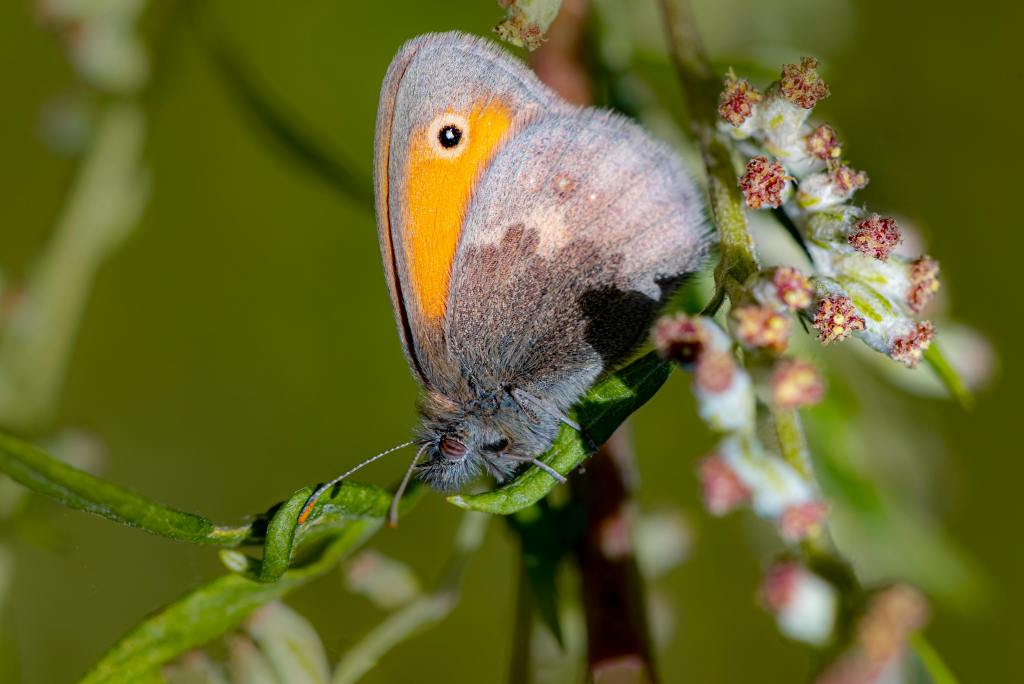
Kretenia psylorita, the Cretan Argus, is a mountain wanderer found on high ranges and on dry, rocky slopes from May to July. With a wingspan of 25 to 30, it is a small but striking butterfly with brown and grey wings edged with white, and orange markings that glow softly in the sun. The underside is pale grey with hits of gold and dark to orange blotches, like a tiny fragment of the Psiloritis mountains carrying the colours of dawn.
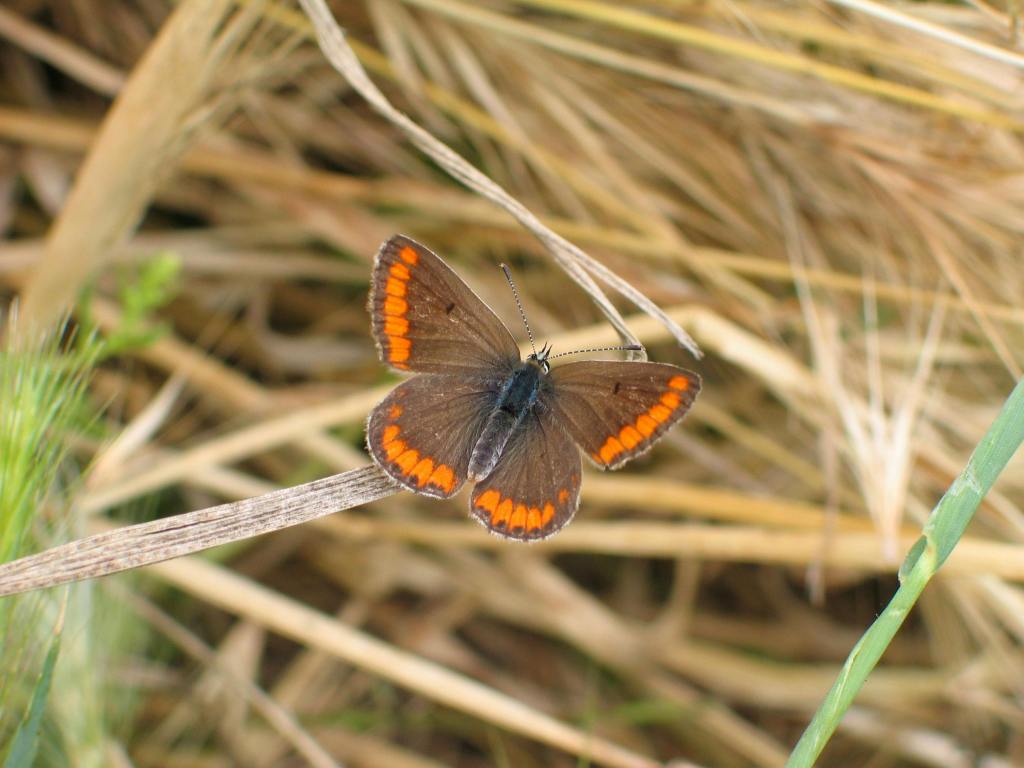
The island of Crete is also home to over 1,300 moth species spanning various families, genera, and subfamilies. These moths inhabit diverse environments, from wetlands and fields to dry rocky areas.
As you wander through Crete, along mountain paths, through olive groves, beside dry stone walls or across the quiet shimmer of coastal fields, take a moment to soften your gaze to admire this miraculous insect. These four endemic butterflies live their entire lives within the embrace of the island, moving through the seasons like small, fluttering shapes of colour.
You can discover more about the botanical park of Crete here The Garden – Botanical Park
For more information about the butterflies and moths of Crete visit; All about butterflies and moths of Crete- butterfliesofcrete.com
We live alongside many amazing and unique species, so it is our responsibility to care for the Earth. We should respect all forms of life and strive to protect them for future generations.
 Earthy Spirit