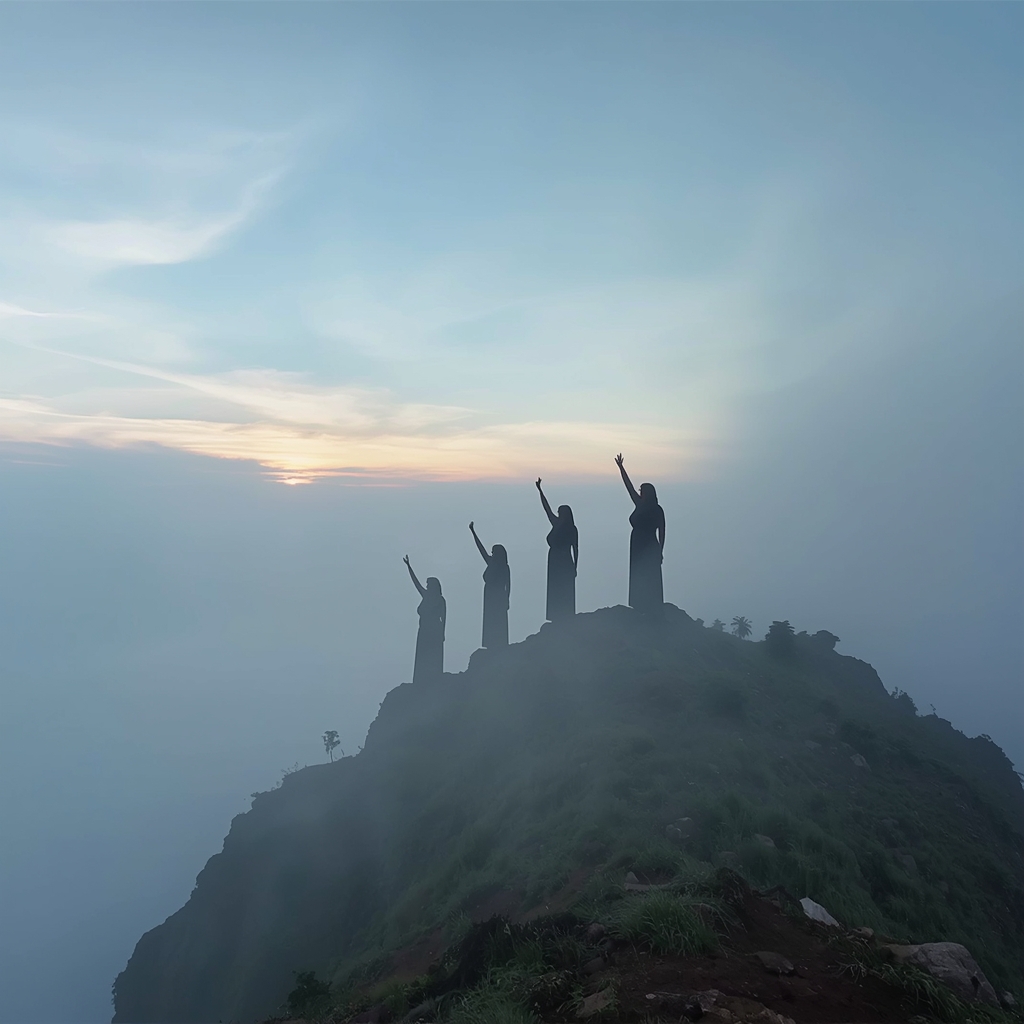
Before dawn reaches the rooftops of Spili village, Mount Vorizi is already awake- a silent colossus breathing mist into the morning air. Its rugged grey foothills, rough as ancient stones, cradle pockets of wild greenery. While its peaks dissolve into a shifting veil of clouds, here the mountain meets the sky, a bridge between the heavens and the earth.
The Minoans were the first civilisation in Europe, a sophisticated society on the island of Crete with amazing palaces, artistic frescoes, jewellery, pottery, advanced ships, navigation, plumbing and even the first flush toilets. They were named after King Minos, the son of Zeus and Europa in Greek mythology, associated with the Minotaur. Spectators also watched skilled acrobats leap over charging bulls as part of an ancient ritual.
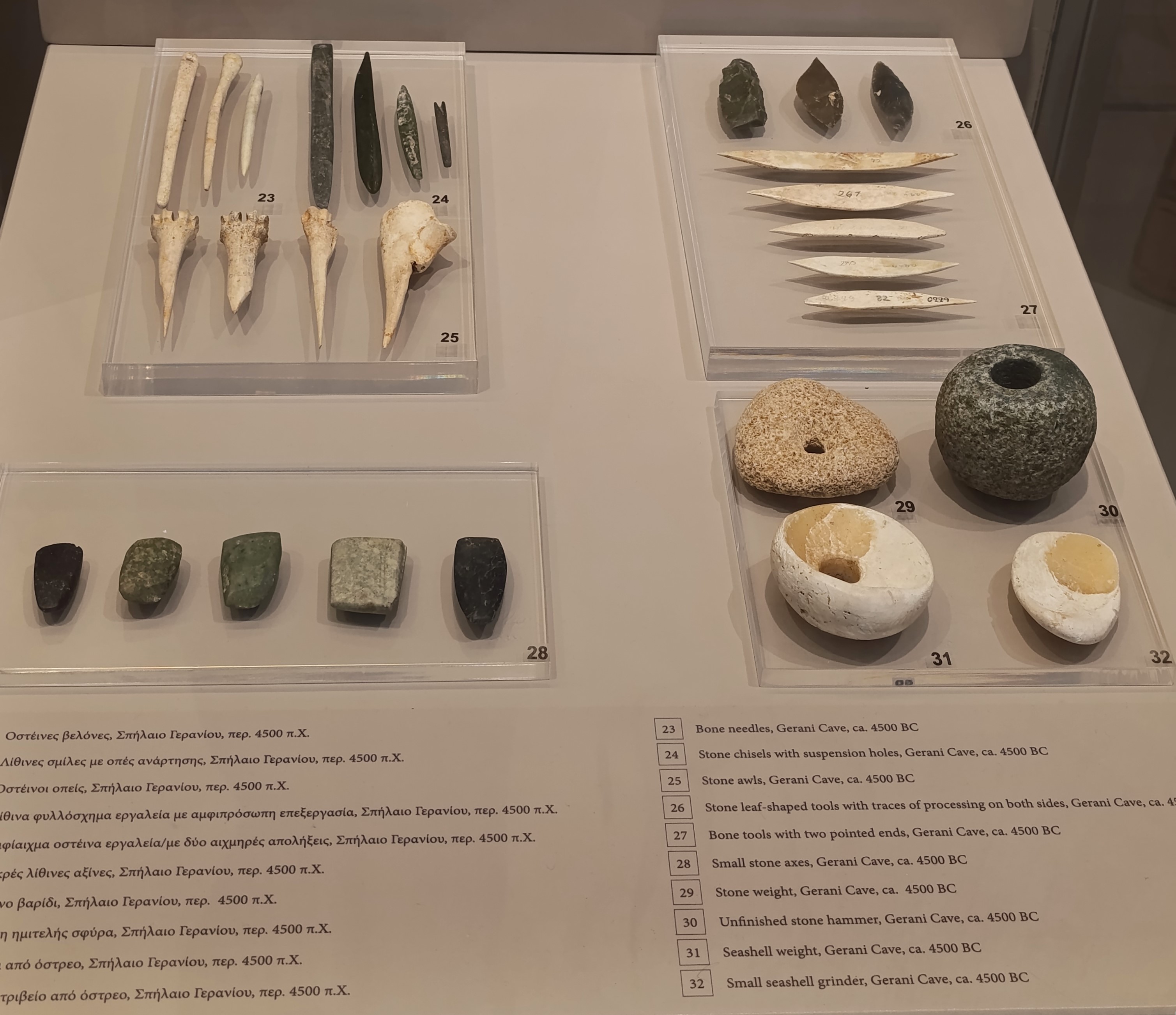
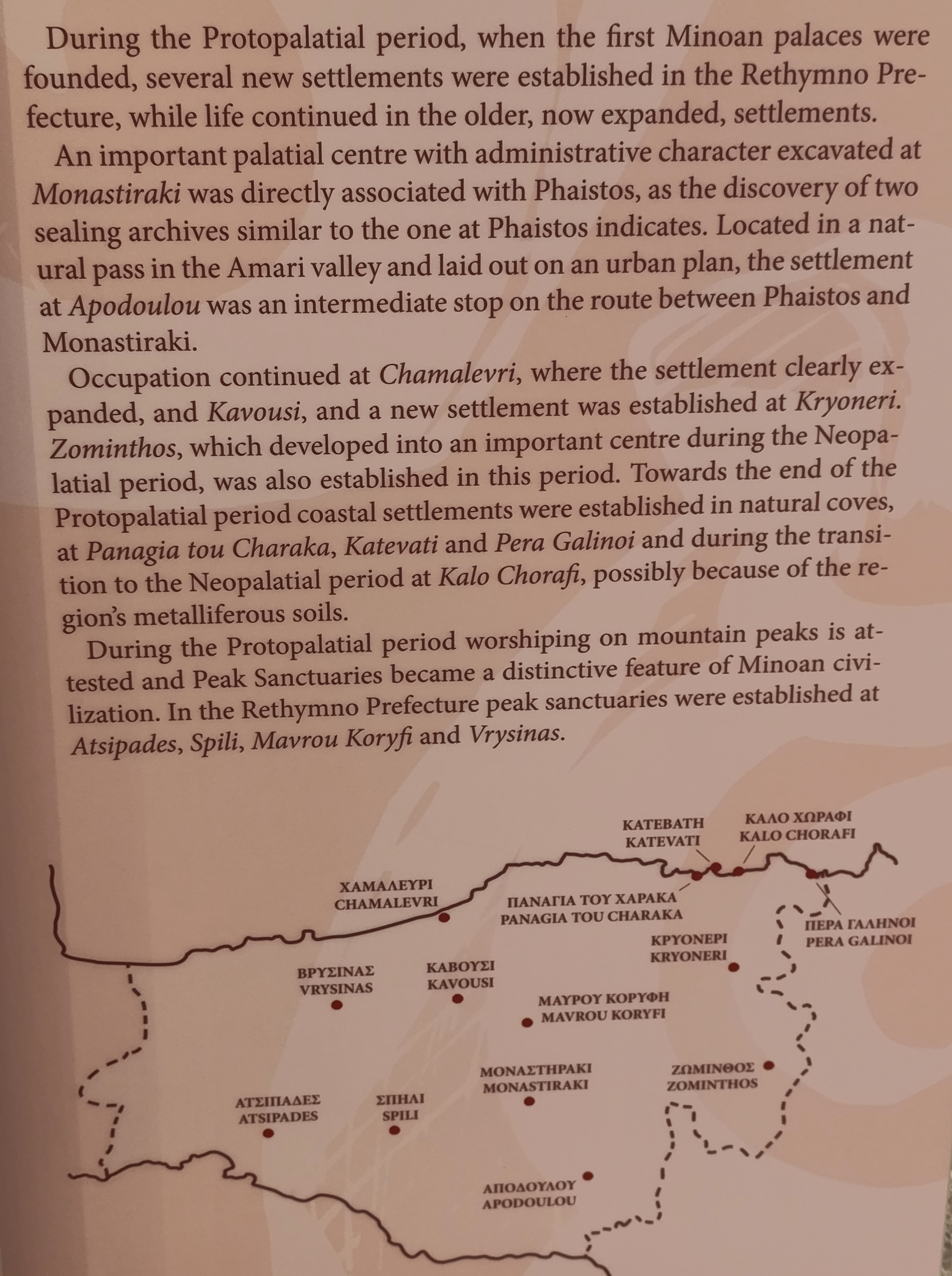
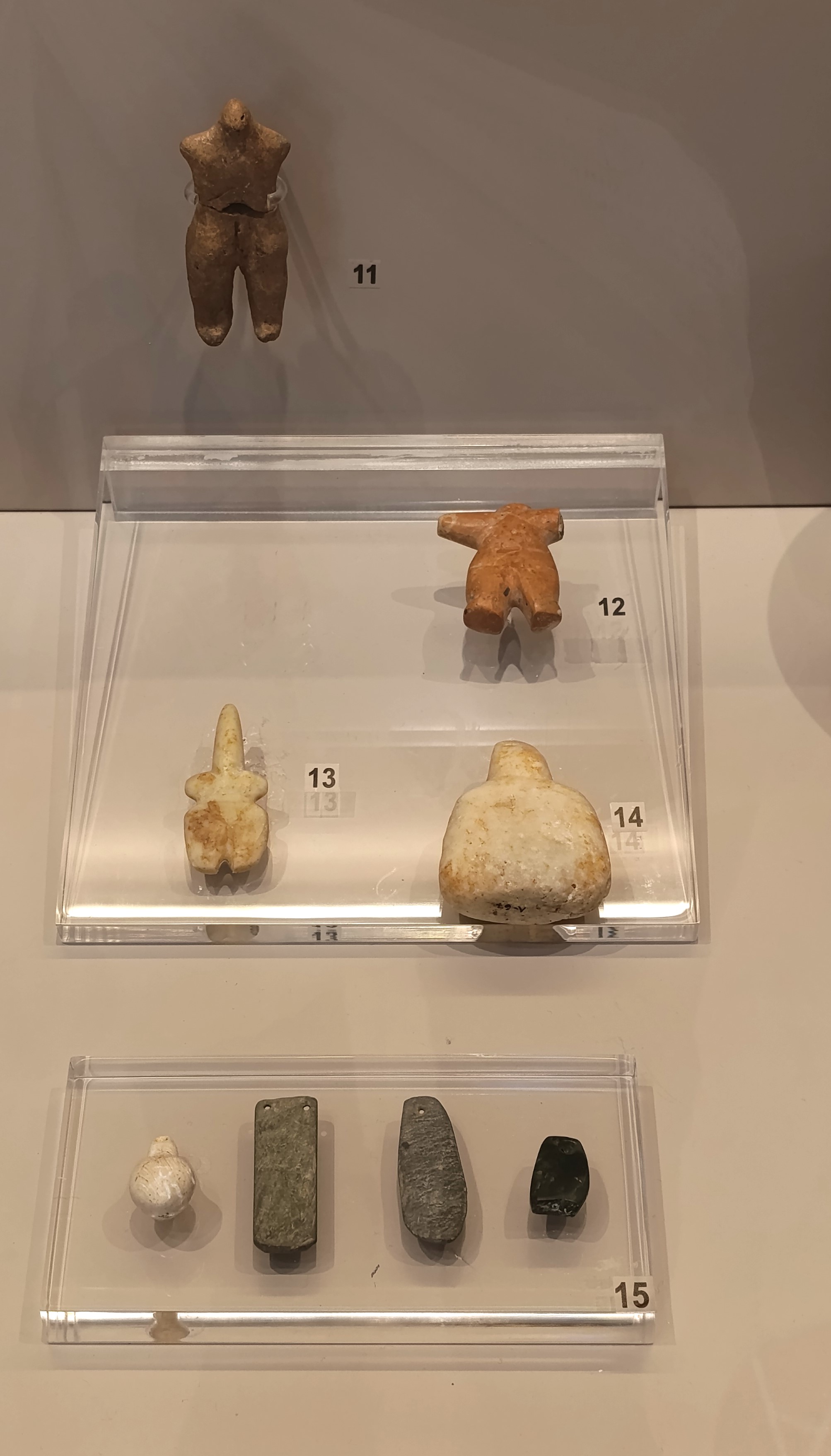
During the Protopalatial period (1900-1700 BCE), this very summit, towering high above the village, served as a Minoan peak sanctuary. A sacred place where worshipers climbed in pilgrimage to offer prayers, gifts and devotion to their gods. Archaeologists have uncovered clay animals, figurines, bronze objects, pottery, and the iconic double axes-ritual items that may once have been re-enacted to tell the myths and mysteries of the deities. Many of these artefacts now reside in the Archaeological Museum of Rethymno, which still seems to hum with the energy of ancient hands.
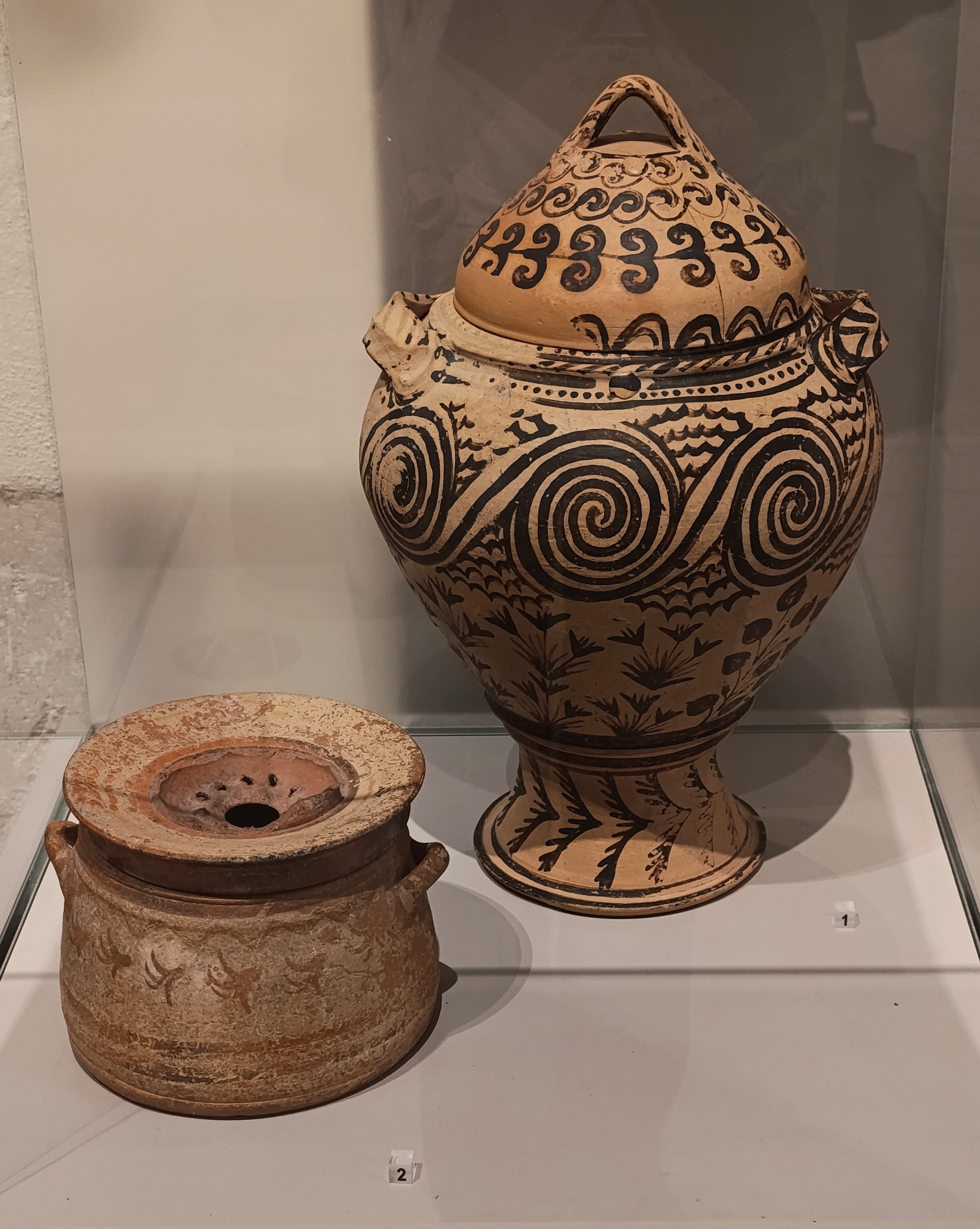
In those distant times, fires were lit on top of the mountain, their smoke curling into the sky and mingling with the clouds. It was the perfect atmosphere made for altered states of consciousness, a place where the boundary between human and the divine thinned.

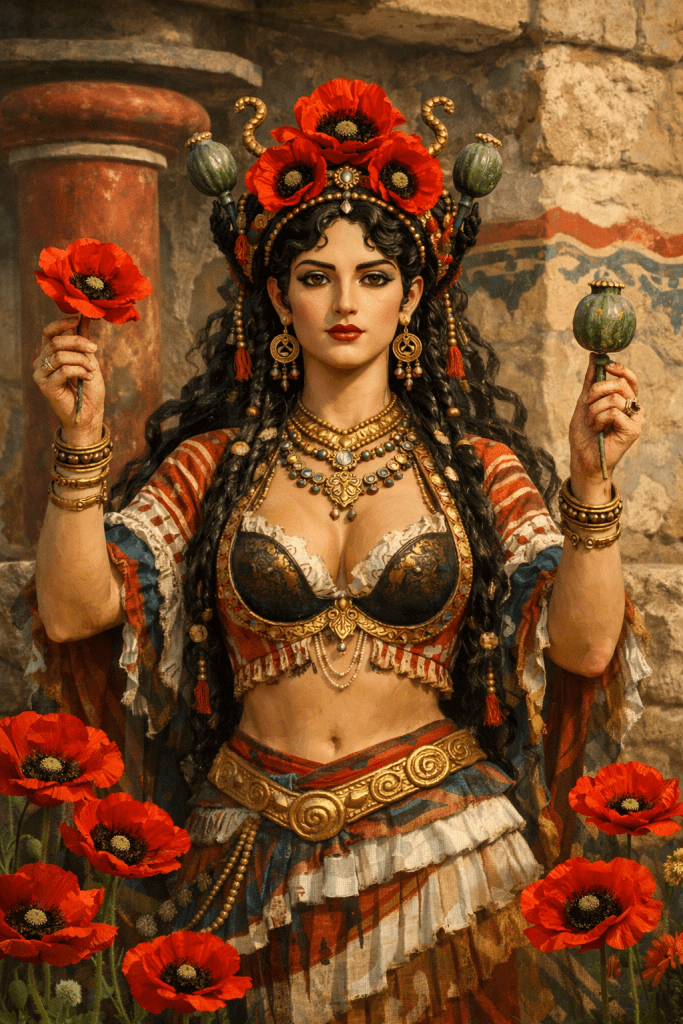
Some believe that purification rites or trance states may have been induced through inhaling poppy seed vapours, a practice linked to the enigmatic Minoan poppy goddess. She is often depicted wearing a crown of poppy capsules, arms outstretched in a blessing, and her eyes gently closed as if in sleep, meditation, or ecstatic trance.
These Minoan peak sanctuaries were also situated in Apodoulou, Monastiraki, Atsipades, Vrysinas, Kavousi, Mavrou Koryfi, Kryoneri, Kalo Chorafi, Katevati, Pera Galinoi, and Zominthos. Shrines and cave sanctuaries were also regarded as sacred by the Minoans.
Poppy Flowers
Even today, the spirit of that ancient goddess still lingers in the land. Vibrant red flowers are scattered across the countryside, igniting roadsides, meadows, and fields with their gentle yet passionate flare.
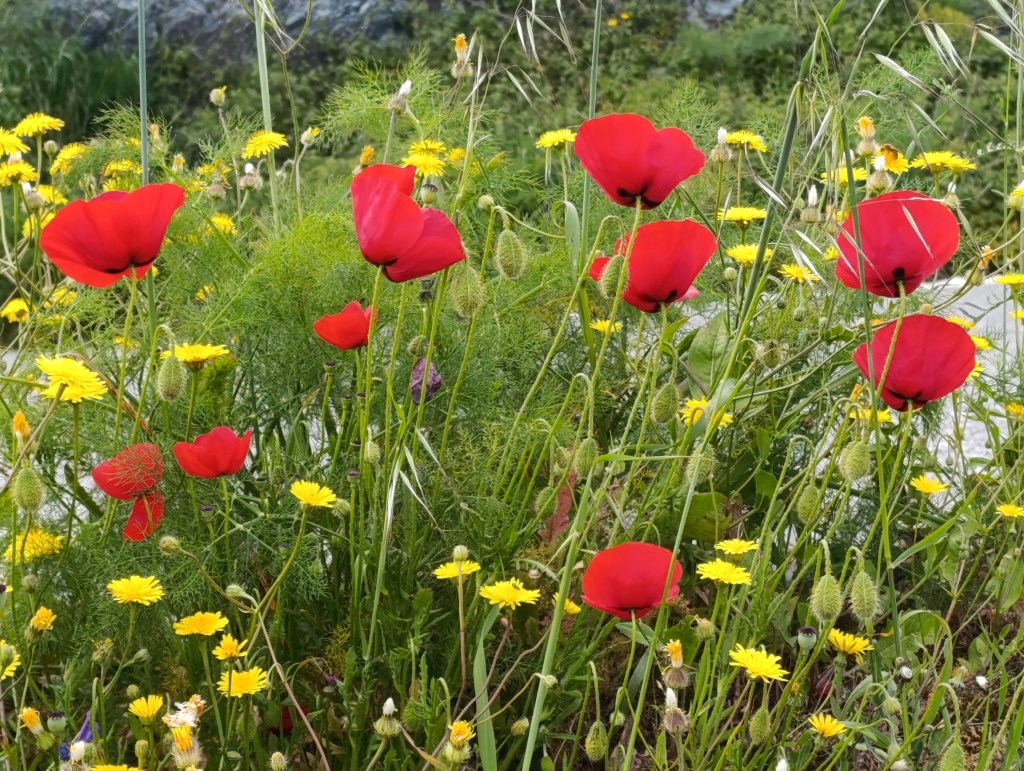
The most common is Papaver rhoeas, a corn poppy-its four luminous petals marked with a dark fleck at the base, and its bristled stems form grey-green, deeply toothed leaves. You’ll often find them mingled with wild grasses, dandelions and other spring flowers.
Papaver argemone ssp. nigrotinctum
In Greece, this delicate subspecies appears like tiny embers scattered over the fields- its red to orange flowers are touched with a subtle dark tint. At its centre rises a long, softly bristled capsule, giving the flower a slightly wild, untamed look. The leaves are deeply divided, their long lance-shaped lobes reaching outward like slender green feathers. Although it shares similarities with Papaver apulum, its capsule is more egg-shaped and distinctly bristly, offering a subtle clue to its identity.
Papaver purpureomaginatum
This small light red to orange poppy carries a quiet charm. Its smooth, elongated capsule and bright yellow anthers give a gentle brightness, while the purple-fringed margins of its sepals lend it its evocative name ‘purple-fringed poppy’. The leaves are wing-lobed, toothed and lance-shaped, creating a delicate frame around the flower. You’ll often find this species along roadsides and in open fields, where it thrives in sun and wind.
Papaver sommiferum
Perhaps the most enchanting of Greece’s poppies, Papaver sommiferum blooms in a spectrum of colours- from pure white to deep crimson to soft, ethereal purples. Since prehistoric times, this opium poppy has been revered for its sleep-inducing and hypnotic properties. Ancient peoples used it as a sedative, and its dried petals were once added to calming drinks that soothed coughs and invited rest. It appears throughout prehistoric cults and ancient Greek rites of Demeter and Persephone, and is intimately linked to the Minoan poppy goddess herself. Today, its cultivation is prohibited, yet its mythic presence still lingers in the stories and symbols of the land.
Poppies in Mythology
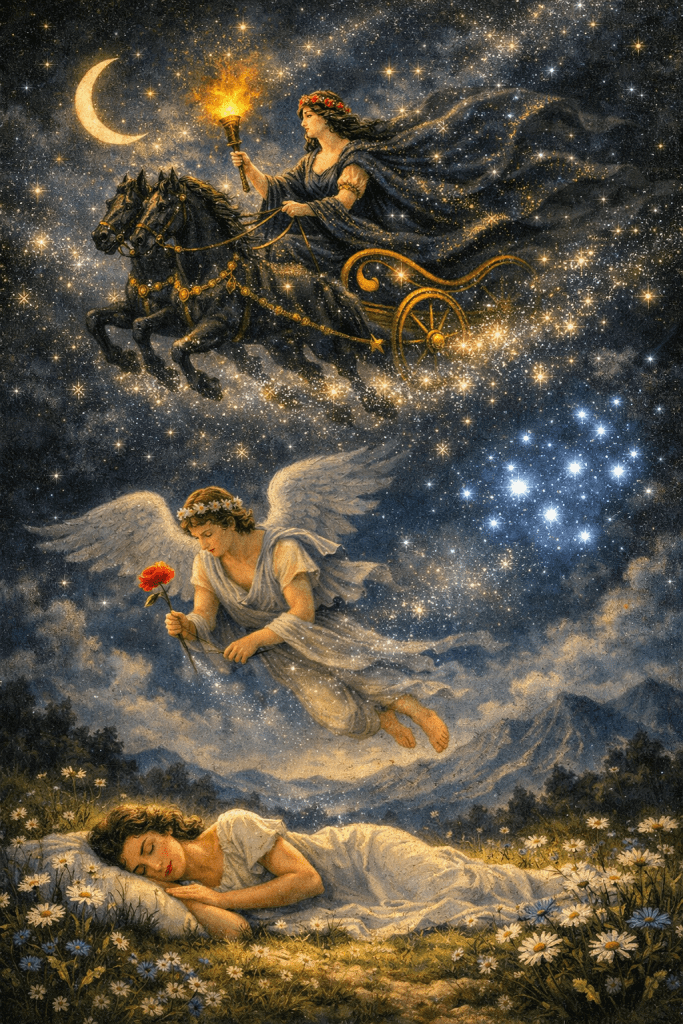
In Greek mythology, poppies were intimately linked with the great powers of night, sleep and death-Nyx, Hypnos, and Thanatos. Their presence in ancient stories reflects this flower’s deep symbolic connection to dreams, oblivion, and the gentle dissolution of consciousness.
Nyx, the primordial goddess of the night, was depicted as a dark veil of mist draped across the sky, a black-winged figure gliding through the heavens, or a shadowed queen in dark, flowing robes riding her chariot, between a canopy of stars. In Ovid’s Fasti (4. 661), she is described as wearing a garland of poppies upon her head, from which dreams come forth- a poetic image that hints at infusions or vapours used to invite sleepiness, soften awareness, or just drifting into a dream-like state.
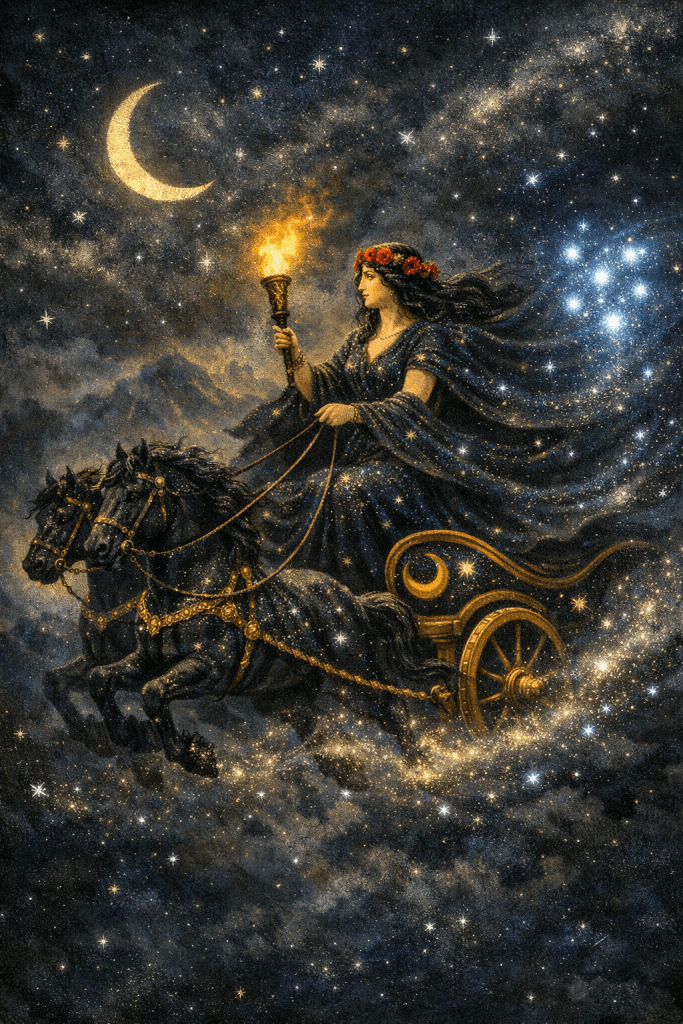
” A garland of poppies binds her peaceful brow, from which dreams trail.”
In Metamorphoses 11, Ovid again evokes the poppy; at the entrance to the cavern of Hypnos, the god of sleep, where lush poppies and several herbs grow thickly, their drowsy infusion gently lulls those to sleep under the spell of darkness (Nyx).
Hypnos, the son of Nyx, is often portrayed as a winged god of sleep, carrying a poppy stem or a horn filled with sleep-inducing seeds.
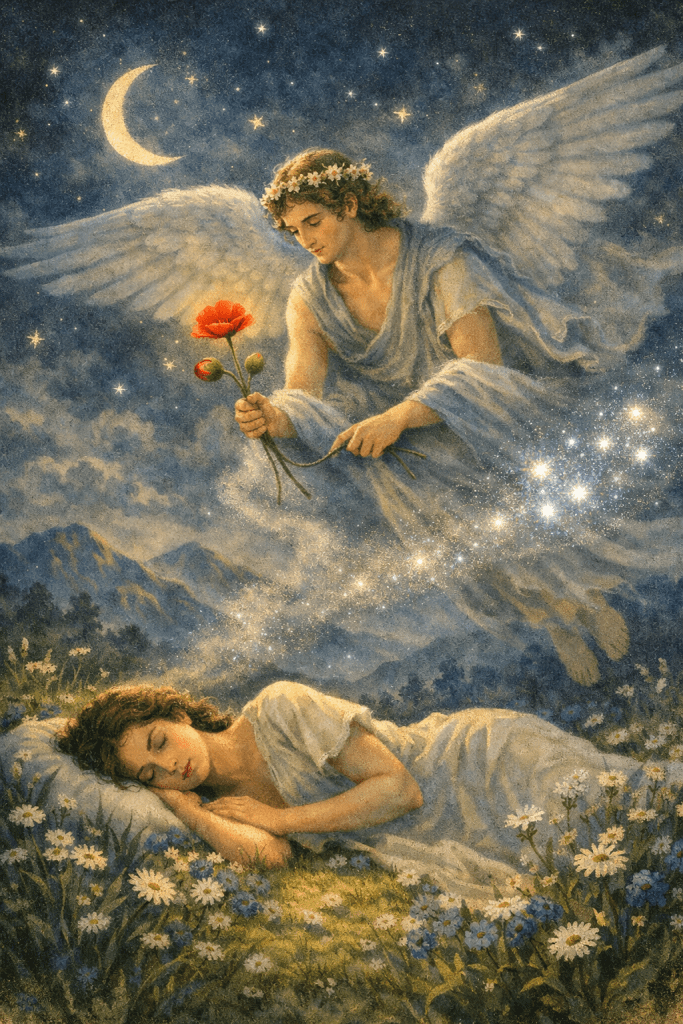
In one myth, he lies dozing in a cavern upon a bed of slumberous flowers, his clothes exude a narcotic fragrance, warm cushions cradle his languid body, and dark vapours rise from his lips. His hand rests on his locks that fall over his temple, and the other lets his horn slip from his grasp. Somina- dreams of every colour and shape stand around him, truth mingling with illusion. This vivid scene comes from Statius ‘Thebaid’ (10. 80 ff.) Where the atmosphere seems thick with poppy-scented enchantment.
Thanatos, the god of peaceful non-violent death and the twin brother of Hypnos, also shares this connection. His touch was believed to be gentle, a quiet release rather than horror. He appears in myth as a winged old man with a beard, a dark blue cloud of death, or a young figure holding an inverted torch, sometimes accompanied by a butterfly, a symbol of the departing soul. Like his brother, he is associated with poppies whose symbolism bridges sleep, death, and the afterlife.
Poppies also held a sacred place in the mystery cults of Demeter, the goddess who promised her initiates a blessed afterlife. Often depicted as a nurturing mother figure holding a horn of plenty filled with grain and poppy flowers. Demeter presided over the harvest, flowers, fruits, grains, fertility, and the eternal cycle of life and death. Poppies were also adorned at her festivals, and their seeds symbolised fertility, abundance and renewal. They were used in baking to flavour ritual foods. Her priestesses carried grains, poppies, and a ceremonial key draped over their shoulders-a symbol of access to a hidden knowledge.
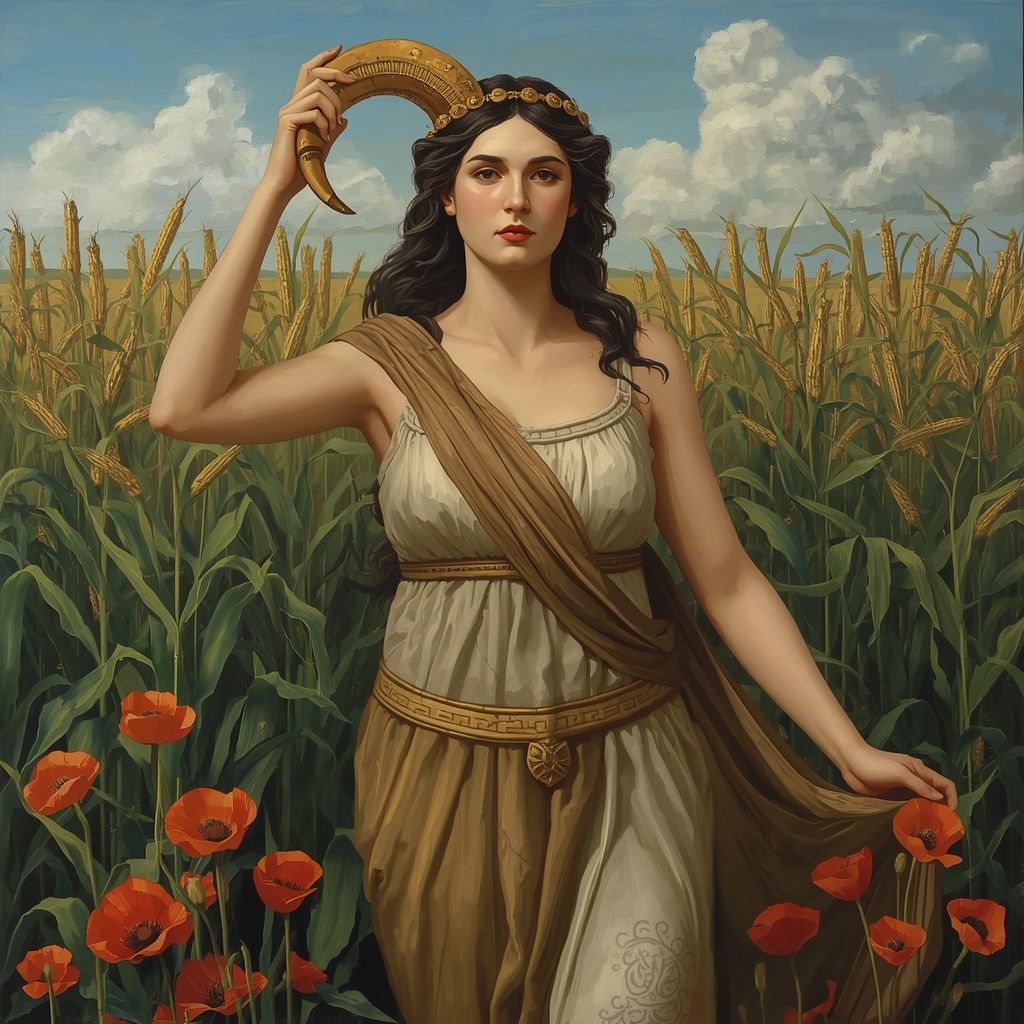
After the abduction of her daughter, Persephone, by Hades. Demeter wandered the entire world in grief. According to one myth, the first poppy sprang from her tears, and as they fell upon the earth, they were created to soothe her sorrows and grant her moments of solitude. Persephone was taken while gathering flowers with her nymphs; she became queen of the underworld, spending part of each year with her husband and returning to the surface only in Spring- when grain and wildflowers reappear and during her absence in winter, when the land is desolate.
Another tale tells of Demeter’s mortal lover, a beautiful Athenian youth named Mekron. As he lay dying, she transformed him into a poppy to preserve him. This flower, containing narcotic seeds, symbolises both sleep and death- a tender gesture of remembrance woven into the fabric of myth.
Poppy symbolism today
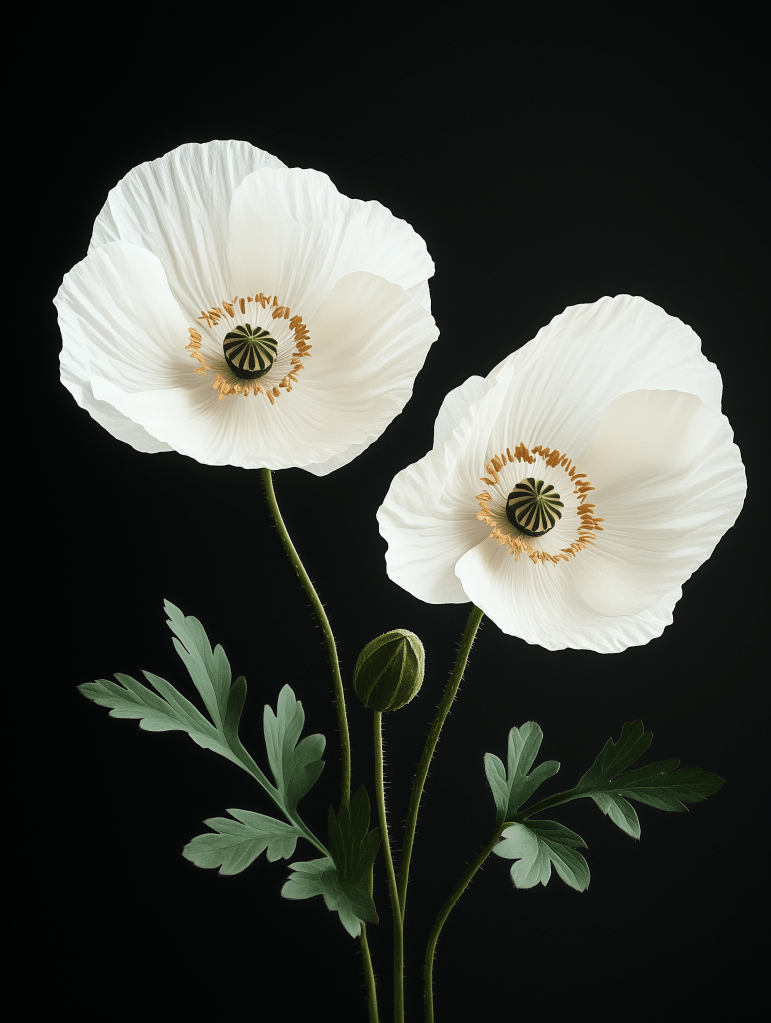
Because poppies can lie dormant for years before rising again, they have long been seen as emblems of eternal life, resurrection, and the quiet turning of the life-death-life cycle. Across cultures and eras, their colours have gathered meanings of their own, each hue carrying a different kind of remembrance.
White poppies speak of peace, of comfort offered to those who grieve, and of a world imagined without war. First introduced in 1933 by the Co-operative Woman’s Guild, they honoured not only soldiers but also refugees, civilians and victims of colonial violence.
They question the glorification of war and insist that peace could be shaped through non-violence. and courageous dialogue. In this way, the white poppy became a gentle counter-symbol to the red poppy’s military associations.
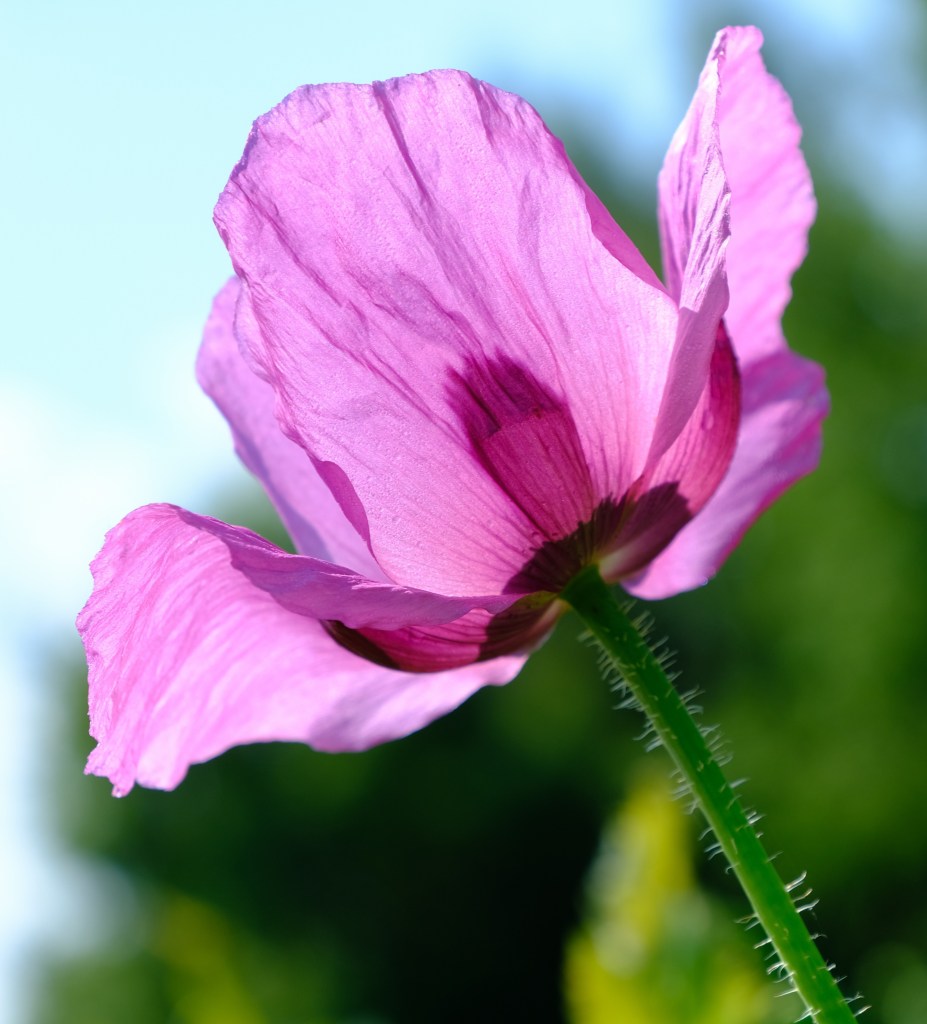
Purple poppies honour the animals who suffered and died in human conflicts- horses, donkeys, mules, dogs, pigeons and countless others. During the First World War alone, an estimated eight million horses and donkeys perished. Introduced in 2006 by the charity Animal Aid, the purple poppy restores these forgotten companions to memory, acknowledging their labour, loyalty, and loss.
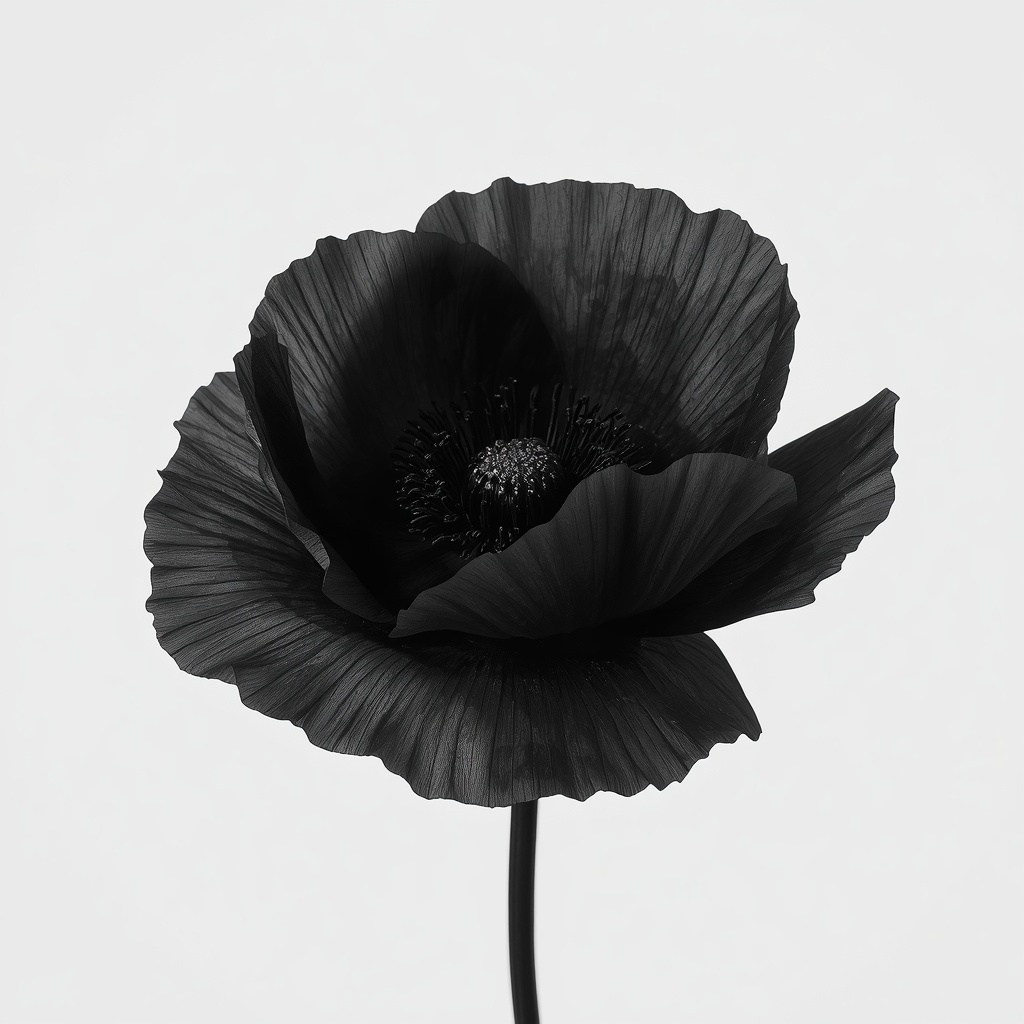
Black poppies, or the black poppy rose, carry the weight of mourning, pride, and ancestral honour. They commemorate African, black, Caribbean and pacific islander communities whose contributions and sacrifices in the First World War were overlooked. Created in 2010 by historian and genealogist Selena Carty, founder of Black Poppy Rose CIC, this symbol restores visibility and dignity to those who fought, served and endured.
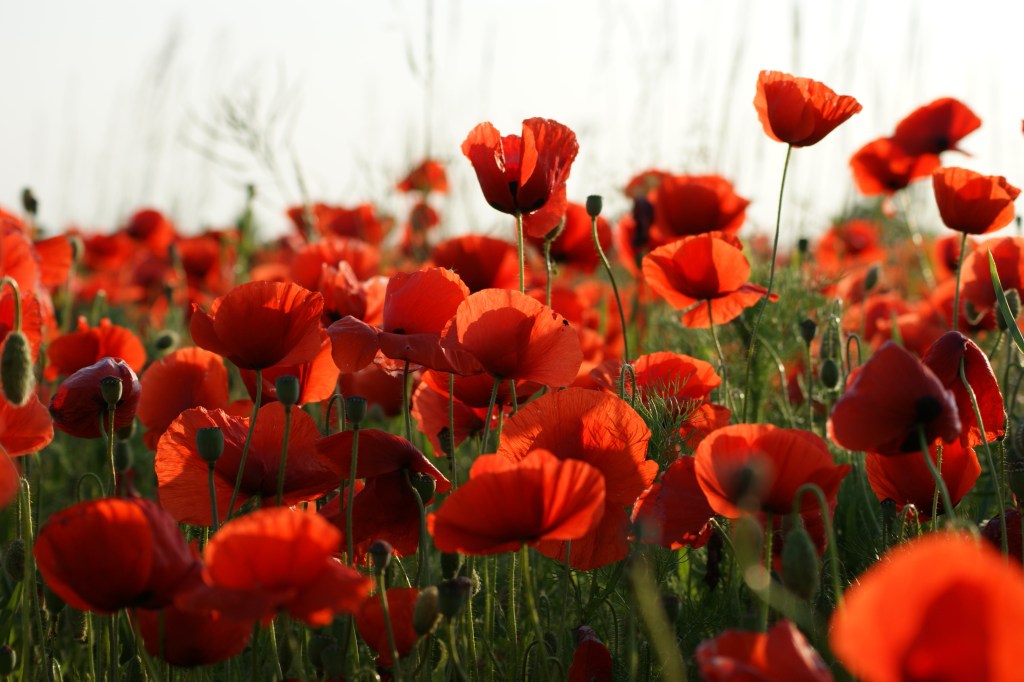
Red poppies remain the most widely recognised emblem of remembrance. Their bright petals once swept across the shattered fields of Flanders, blooming even as artillery fire churned the soil. This sight moved Lieutenant Colonel John McCrae to write ‘In Flanders Fields’, and from that moment the red poppy became a symbol of honour, sacrifice, and the millions, between fifteen and twenty-two million, who died in the First World War. Today, they are worn on Remembrance Day, Memorial Day, and Veterans Day as a gesture of gratitude and collective memory.
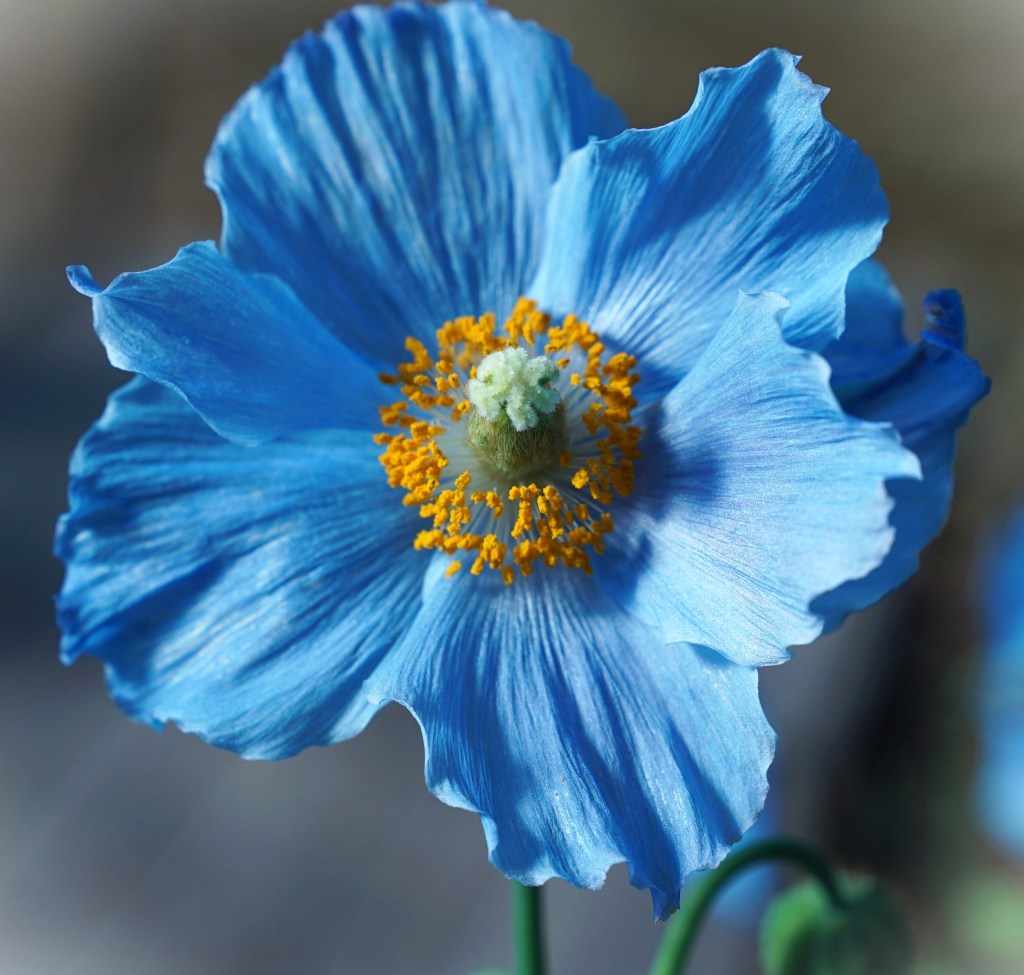
The blue poppy, rare and ethereal, grows in the high Himalayas where thin air and cold winds shape its delicate beauty. They are symbols of faith, spiritual insight, transformation and the long path towards enlightenment. In biblical symbolism, they represent divine hope and the perception of god’s perfect creations. Their colour also evokes innocence, kindness, peace, healing, imagination, and the quiet clarity of dreams.
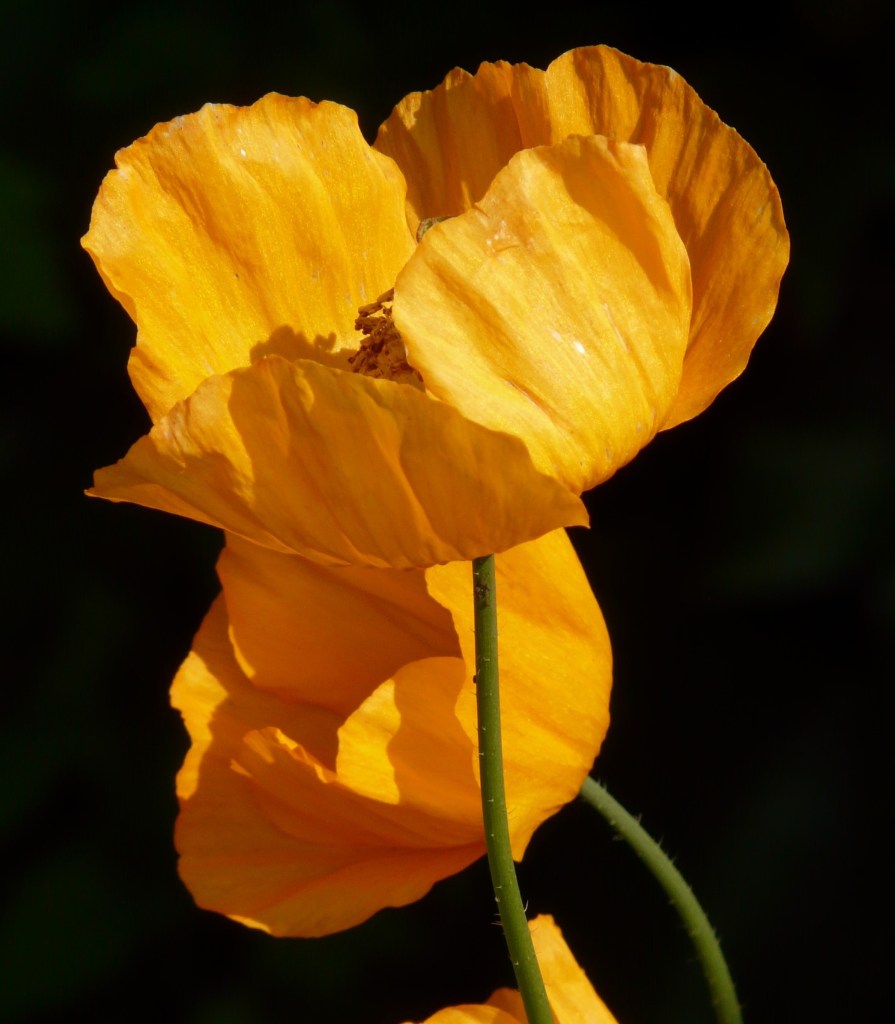
Orange poppy radiates vitality, creativity, and the fire of artistic expression. They are linked to the Sacral chakra- the centre of passion, intuition, and generative energy. In Hinduism, they symbolise understanding and foresight; in Art and literature, they embody love, beauty, and the boldness of expression. In Buddhist traditions, their warm glow is associated with joy and the triumph of the spirit.
In the end of all these threads-the myths of Nyx, Hypnos, and Thanatos, the rites of Demeter and Persephone, the ancient sanctuaries on the mist-draped peaks-seem to gather around the figure of the Minoan poppy goddess. Crowned with capsules and depicted with outstretched arms, she embodies the delicate threshold between waking and dreaming, life and death, Earth and sky. Her presence still lingers in the red blossoms that scatter across the countryside, glowing like embers in the fields. To walk among them is to feel the echo of her blessing-a gentle reminder that the ancient world is never as distant as it seems and the land still remembers.


Leave a Reply