Trees are among the oldest living organisms on Earth; some standing for more than five thousand years. Rising during the late Neolithic period, alongside humanity’s earliest civilisations, with the invention of writing, and the first metal tools and bronze weapons. Their first leaves unfurled from pods, cones, seeds, winged seeds, hard-shelled nuts, fruits, and spiny husks-each one a tiny vessel of growth.
Seeds also vary astonishingly in size. The tiniest, like some orchid seeds, are almost dust-like at 0.05 mm, while the largest—the double coconut of the Lodoicea maldivica—can measure 30 to 50 cm and weigh between 10 and 20 kg. Seeds travel in many ways: they ride the wind, float across rivers and oceans, lie dormant on the ground, germinate after passing through an animal’s gut, cling to fur, or burst open and catapult themselves far from the parent tree.
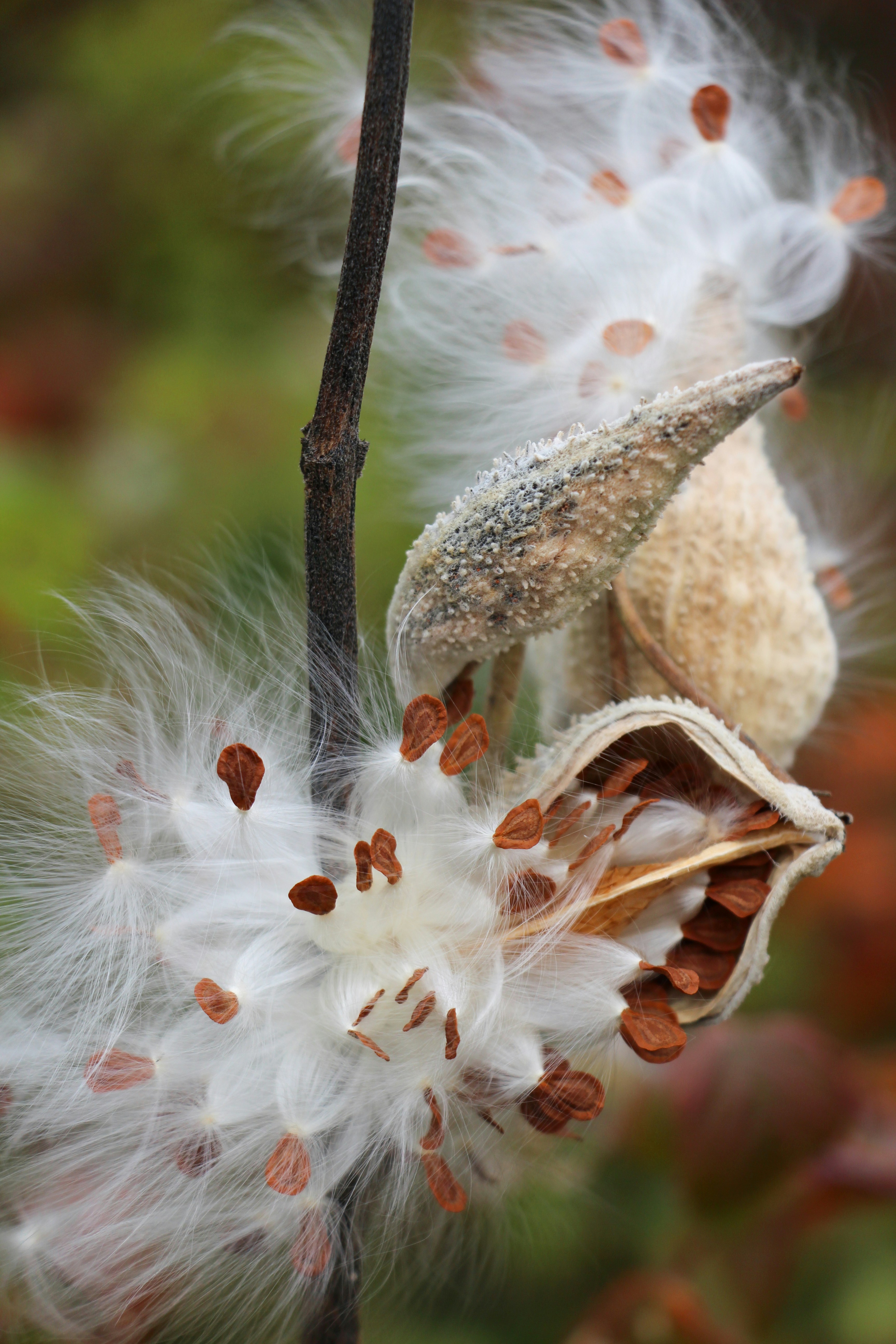
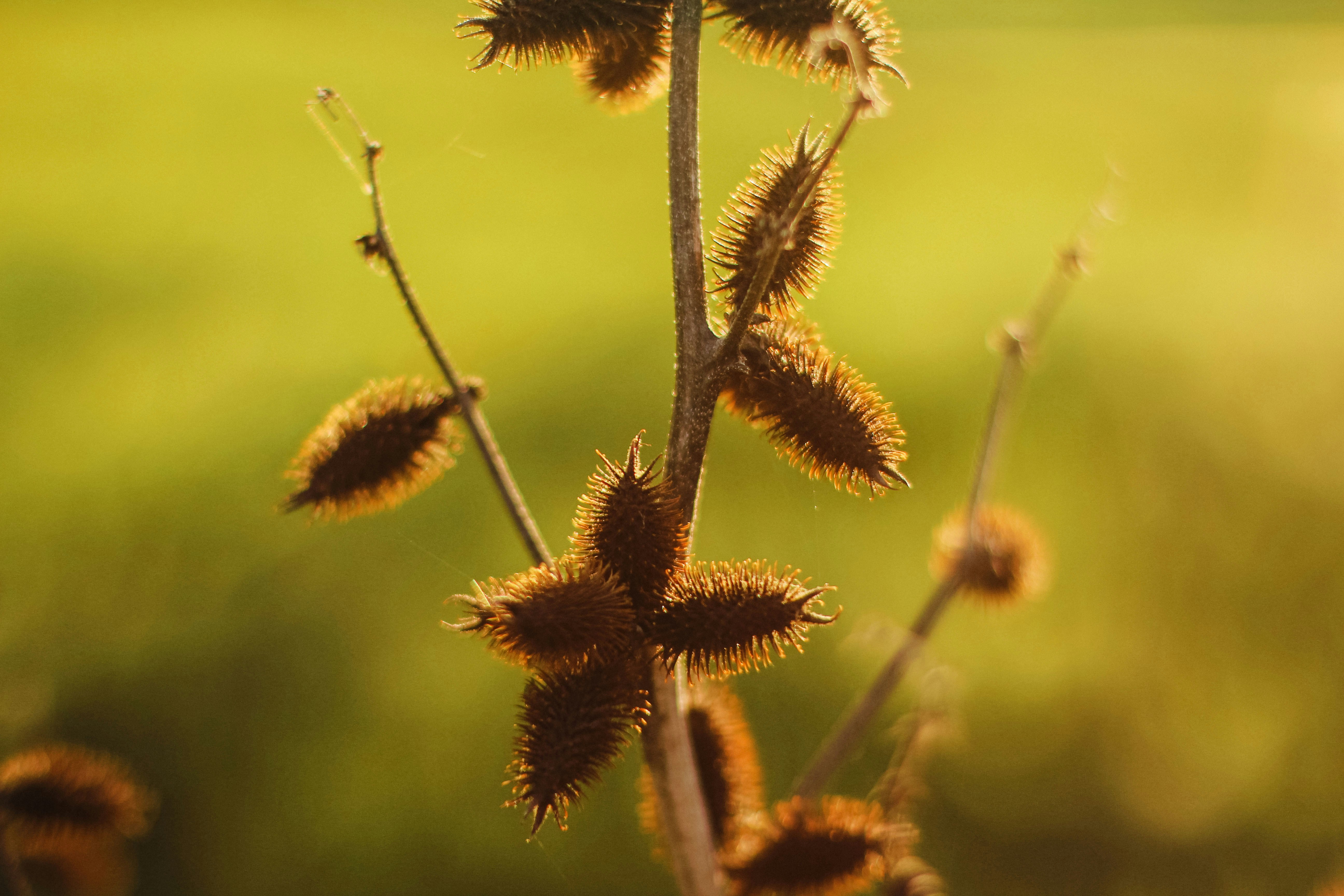
Airborne fluff from willows, silver maples and cottonwoods drift like tiny balls of light, fluffy cotton, travelling over great distances. These delicate, floating seeds inspired early glider designs and the first experiments in flight. Burrs, armed with tiny hooks, spines or prickles, cling to fur, feathers, and clothing, and fall far away from their location-an ingenious natural mechanism that later inspired the invention of Velcro. Pine cones also protect inner seeds in various weather conditions, closing when it is wet and opening when the air is dry.
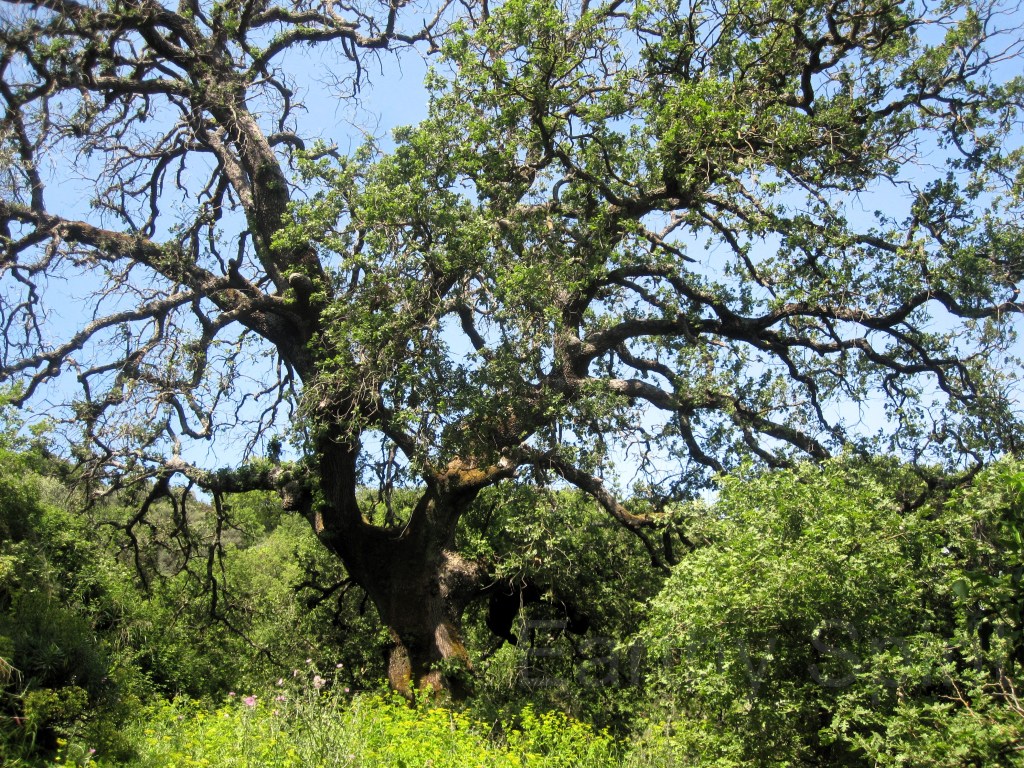
These ancient trees lean their large, hardened trunks and twisted branches towards the sky, absorbing sunlight, casting shade, and sheltering countless species. The outer layers of the trunk are composed of older dead wood that thickens over time, shielding the tree from wind, moisture, and diseases. Beneath that, the phloem carries the sugars produced in the leaves to nourish the rest of the tree during photosynthesis. Roots penetrate deep into the soil to steady the tree, draw up water and minerals, store reserves for sparse winters, and anchor the living giant to the Earth.
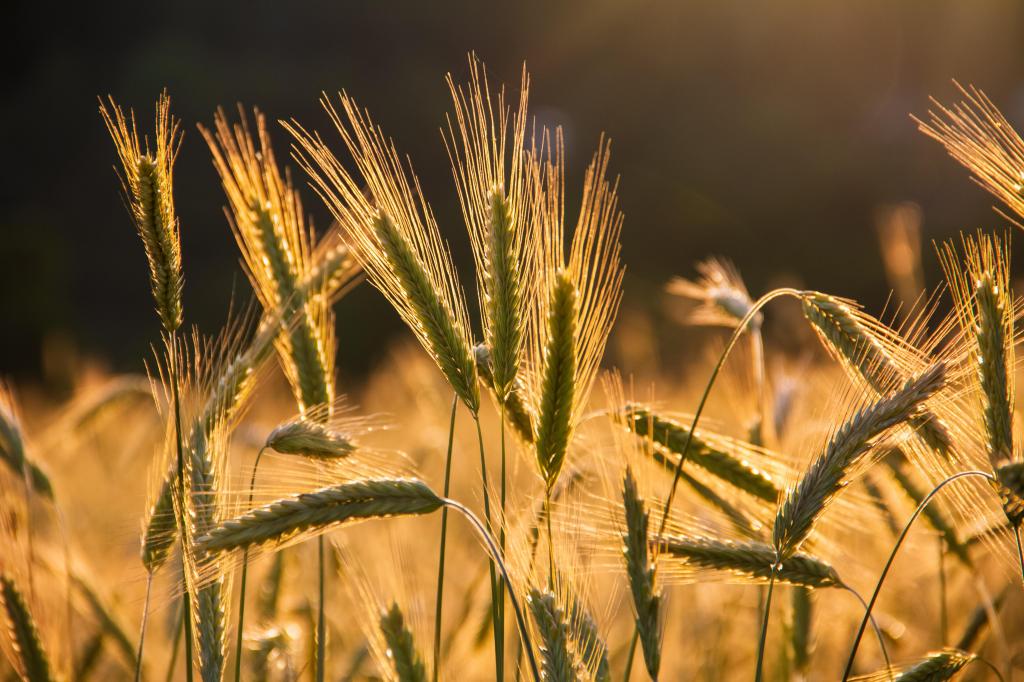
Some plants develop extraordinarily extensive root systems, such as the cereal grain winter rye, believed to produce the longest root system in the world, reaching around 622.8 kilometres deep. Its highly developed root system creates over 13 million root branches that penetrate deep into the Earth’s soil, improving soil structure, increasing water infiltration, and fostering habitats for beneficial microorganisms. Roots can also detect water through specialised cells at the root tips, providing the tree with a water source for life.
Roots do far more than feed and steady the tree; they are also a living network that links plants and fungi, allowing the whole forest to communicate as a single interconnected system. They are the forest’s hidden language- an underground web of enchantment and wonder known as the mycorrhizal fungal network, a delicate architecture of filament‑thin threads that carry nourishment, warnings, and quiet messages from one leafy being to another. The term Mycorrhiza comes from the Greek, meaning fungus root — a reminder that even the oldest trees depend on their adjoining companions. The fungi provide plants with essential nutrients and water, while the trees provide them with sugars, absorbed during photosynthesis.
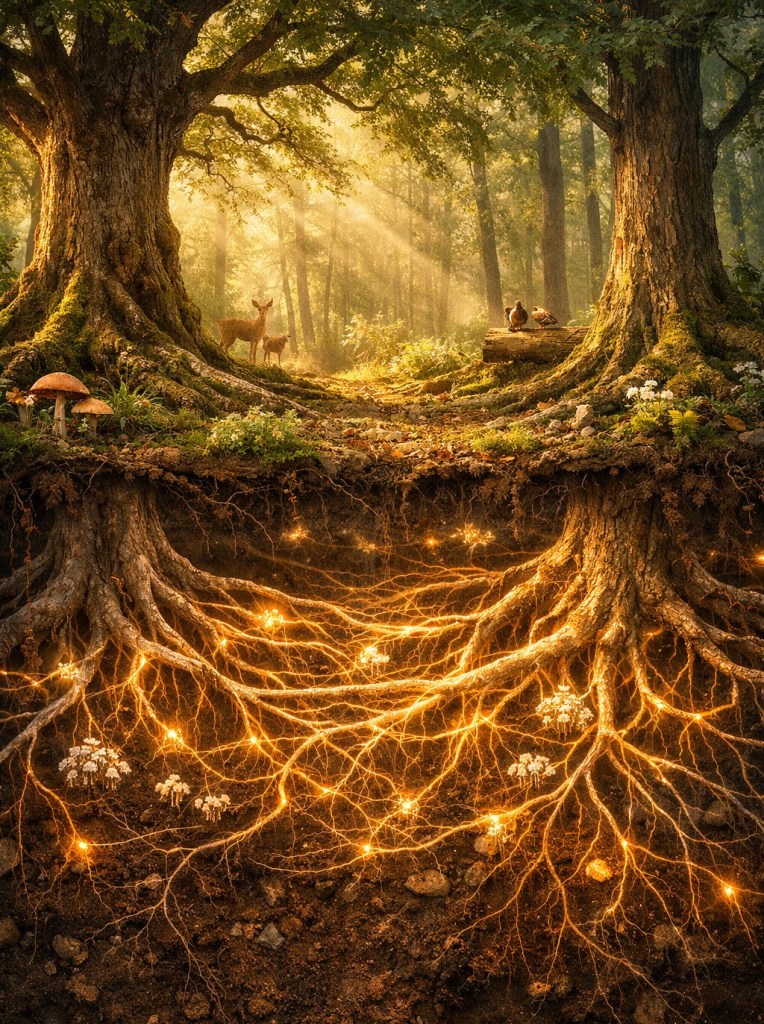
Recent research by scientists discovered that the mycorrhizal system across the planet is so vast, so extensive that its filaments would stretch an almost unimaginable 110 quadrillion kilometres beneath the Earth’s surface. That is roughly 93 million miles long when measured from end to end. Such findings remind us that much of a forest’s life and communication happens just inches below our feet. There is so much more to learn about these leafy forest beings.
Among the elders of the forests stand the mother trees, towering, age-old beings that act as nursemaids and guardians. Through their roots and fungal support, they nourish seedlings, support weakened neighbours, and send a warning when danger approaches. As well as send water and nutrients to distressed or dying trees. They even shift their roots to make space for their young, shaping the forest with a peaceful, generous intelligence.
Ancient Bristlecone pines
Across the high deserts and lonely mountains of the American West stand the Bristlecone pines, Pinus Longaeva- the oldest living trees on the planet. Their twisted trunks, burnished red and knotty bark, cracked like ancient parchment, have endured nearly five thousand winters. Among them once lived Prometheus, estimated to be between 4,862 and 5,000 years old, rooted high on the windswept summit of Nevada’s 3,982‑metre Wheeler Peak, Nevada, USA. A tree older than the pyramids, older than written history.
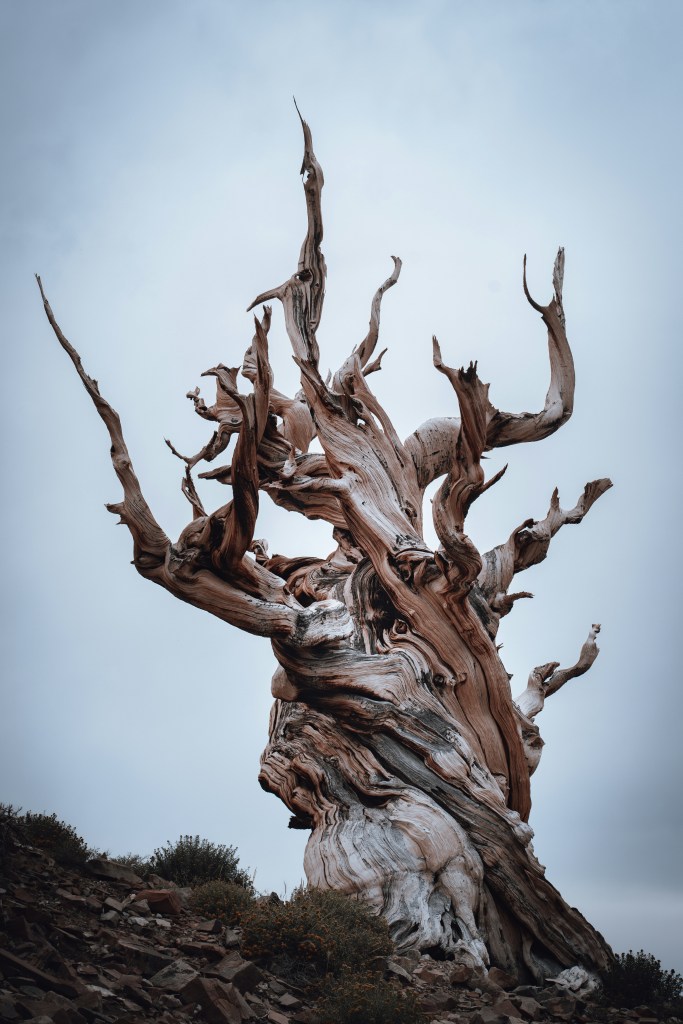
Much of the living tissue dies back over centuries, leaving sculptural forms shaped by ice, drought, and relentless wind. Their dark green needles and woody cones release seeds when fully open. Scientists believe their longevity lies partly in their telomeres, protective strands of DNA that guard each cell from the erosion of time.
Prometheus carried the name of the Ancient Greek Titan of forethought and cunning counsel, a rebel who deceitfully revealed to humanity sacred knowledge of the gods- fire, craft, and advanced technology. He shaped mankind out of clay and wanted to improve their lives, which incited conflict with the other gods. For this defiance, he was bound to the peaks of the Caucasus mountains, where an eagle devoured his regenerating liver each day until Heracles finally freed him. In a tragic echo of myth, the Prometheus tree itself was felled in 1964 for climate research by a graduate student studying the Little Ice Age.
Ancient Redwood Trees
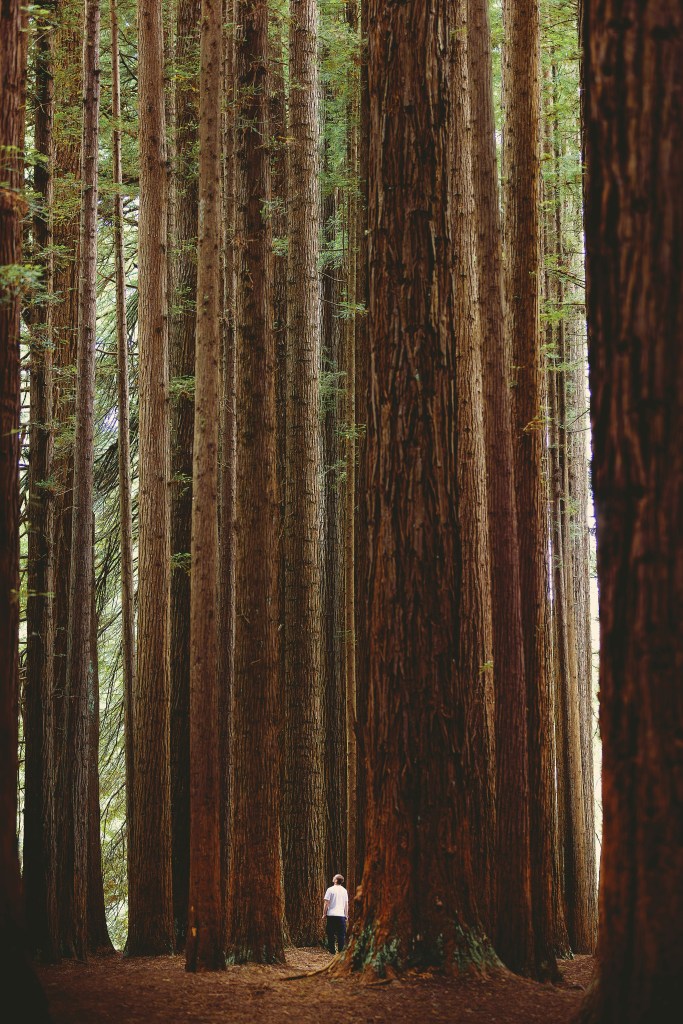
Deep within the hidden grove of Redwood National Park is Hyperion, the tallest known tree on Earth- a 116.22-metre column of red-brown bark and emerald green needles, its crown bearing more than 550 million leaves. Estimated to be between 600 and 800 years old, Hyperion escaped the logging era by sheer chance, surviving long enough to be recognised and protected as an endangered species on the IUCN Red List. Its name honours Hyperion, Titan god of heavenly light, son of Uranus (Heaven) and Gaia (Earth)— a fitting title for a tree that towers towards the sky.
Forester Michael W. Taylor discovered Hyperion along with two other giants in the same forest: Helios, named after Hyperion’s son and standing 375.9 ft tall, and Icarus, reaching 371.2 ft. These redwoods form a cathedral of living pillars, reminders of the ancient forests that once blanketed the Pacific coast.
Baobab Trees
Across Africa, Madagascar, and Australia grows the baobab, a tree so wondrous that it appears to stand upside down, its root-like branches reaching high into the sky, brimming with yellow-green leaves. Within its swollen, sponge‑like trunk, it stores up to 120,000 litres of water, a reservoir of life through scorching summers and long droughts.
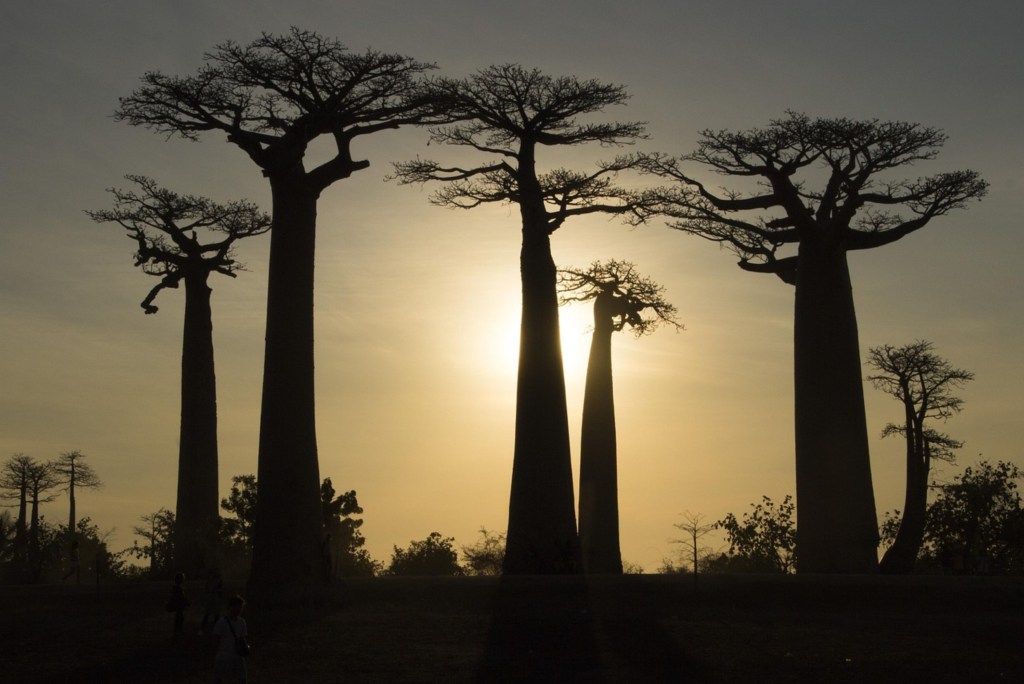
It shelters and nourishes countless wildlife, monkeys, bushbabies, lizards, elephants, insects and weaver birds that nest in its twisting limbs. Some baobabs live for over 2,450 years, their presence woven into the spiritual and daily life of countless communities. For millennia, native people have called it the “tree of life,” for every part — seed, fruit, bark, leaf, and root— nourishes or heals.
Harvesters climb long poles to reach the high branches, gathering fruit that can be eaten fresh, brewed as a coffee substitute, or added to smoothies, chocolate, and cereals for its tangy flavour. The pulp can be ground into a powder to thicken soups. The seed oil is prized for its skincare, and is deeply hydrating, anti‑ageing, and restorative for both skin and hair. In Sub‑Saharan Africa, the nutrient‑rich leaves are cooked like spinach or added to stews and relishes. Powdered leaves can treat ailments such as fever, asthma, and smallpox. Beneath its vast canopy, communities gather for prayer, offerings, protection, and communion with ancestors — a living sanctuary rooted in the earth.
Pando Aspen Colony
In Utah’s Fishlake National Forest lies Pando, an 80,000‑year‑old quaking aspen colony — the oldest known living organism on Earth. Though it appears as a forest of slender white trunks, every tree is a stem of one immense organism, connected through a single ancient root system that spreads across 106 acres, carrying 47,000 identical stems.
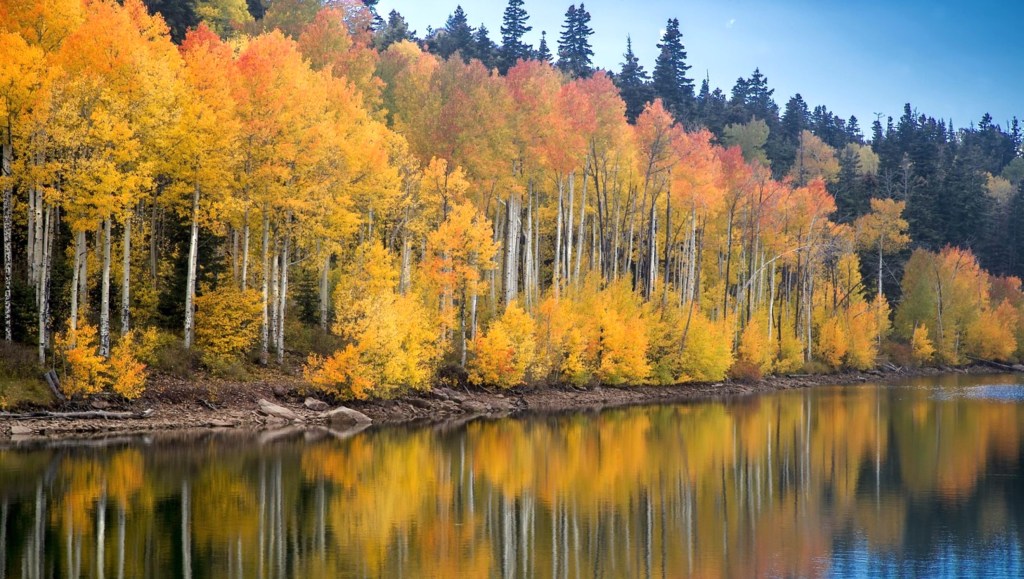
Quaking aspens earn their name from the way their leaves flutter in the slightest breeze, as their flat petioles cause them to tremble like coins of light. Their bark is smooth and pale, marked with dark slashes, and their leaves shift from green to silver to gold as the seasons turn. Pando shelters birds such as the broad‑tailed hummingbird, yellow warbler, red‑breasted nuthatch, and warbling vireo. Deer, elk, moose, and ruffed grouse feed on its tender shoots and buds. It is not merely a forest — it is a single, breathing organism, a testament to resilience and interconnectedness.
Ancient Olive Tree
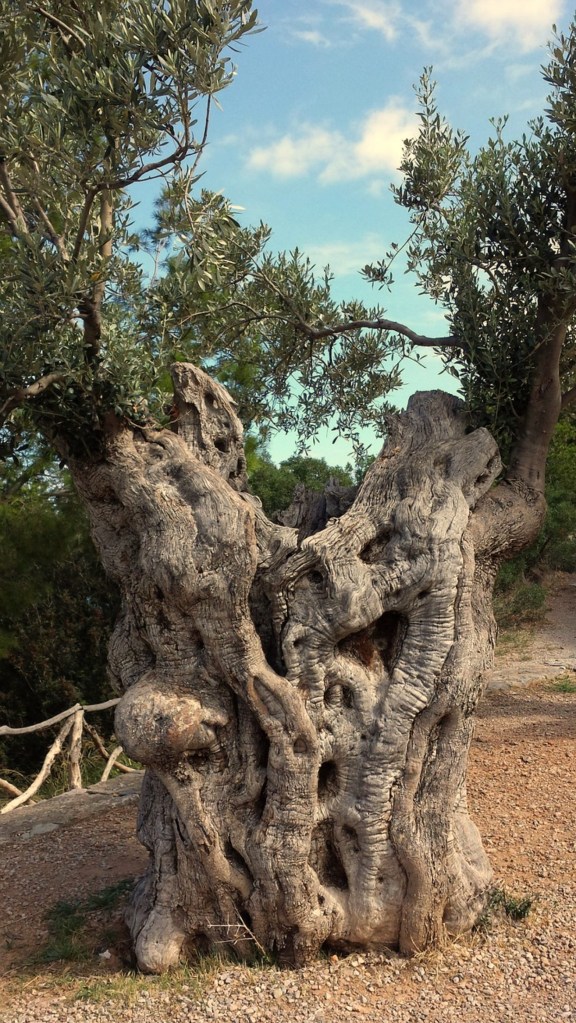
In the quiet coastal village of Kolymvari, at the foot of the Rodopou Peninsula in Crete, stands an olive tree so ancient it may have first rooted when the Minoans were flourishing— when palaces shimmered with frescoes, when pottery spun beneath skilled hands, when weapons were crafted from bronze, when Europe’s earliest civilisation was learning to shape beauty and sophistication from earth, wood, metal and stone.
This olive tree, between 2,000 and 4,000 years old, has an ancient trunk that has twisted over centuries, its knotted bark hardened like weathered stone. Opened gaps are visible along its 7.1-meter base, yet it still flowers, still bears fruit, still draws 20,000 visitors each year who come to witness its amazing longevity. Its famous branches once crowned champions: woven into wreaths for the 2004 Athens and 2008 Beijing Olympics, echoing the ancient tradition where olive oil anointed athletes and lit the eternal flame in honour of Zeus. In Greek myth, the first olive tree was a gift from Athena to the people of Athens, planted within the Acropolis as a blessing of peace, nourishment and civilisation. And so this tree, rooted in the Bronze Age, with the gathering of its olives and the pressing of its oil, continues to offer its remarkable generosity.
The Evolution of Trees
The First Plants — When Life Reached for the Sun
Long before the existence of forests, long before flowers, long before the world knew the lush hues of green, algae drifted in the oceans — the first organisms to absorb sunlight. This was 2,500 million years ago, when Earth was still too harsh for life on land, scorched by ultraviolet light. But as the ozone layer thickened, these early photosynthesising organisms washed ashore, adapting to freshwater pools and damp soil. The first land plants are believed to have been liverworts, small and humble, yet revolutionary.
By 425 million years ago, vascular plants began to spread across the land, followed by horsetails and clubmosses, weaving the first green tapestry over the planet’s bare earth.
The First Trees — Giants of the Devonian
During the Devonian period, 400–359 million years ago, the first root-bearing woody trees emerged. Among them was Cladoxylopsida, an 8 to 10 metres high tree with tall upright trunks and clusters of branches at the top forming a rounded crown. They had no leaves; instead, their branches absorbed sunlight directly, shedding continuously like living showers of constant renewal.
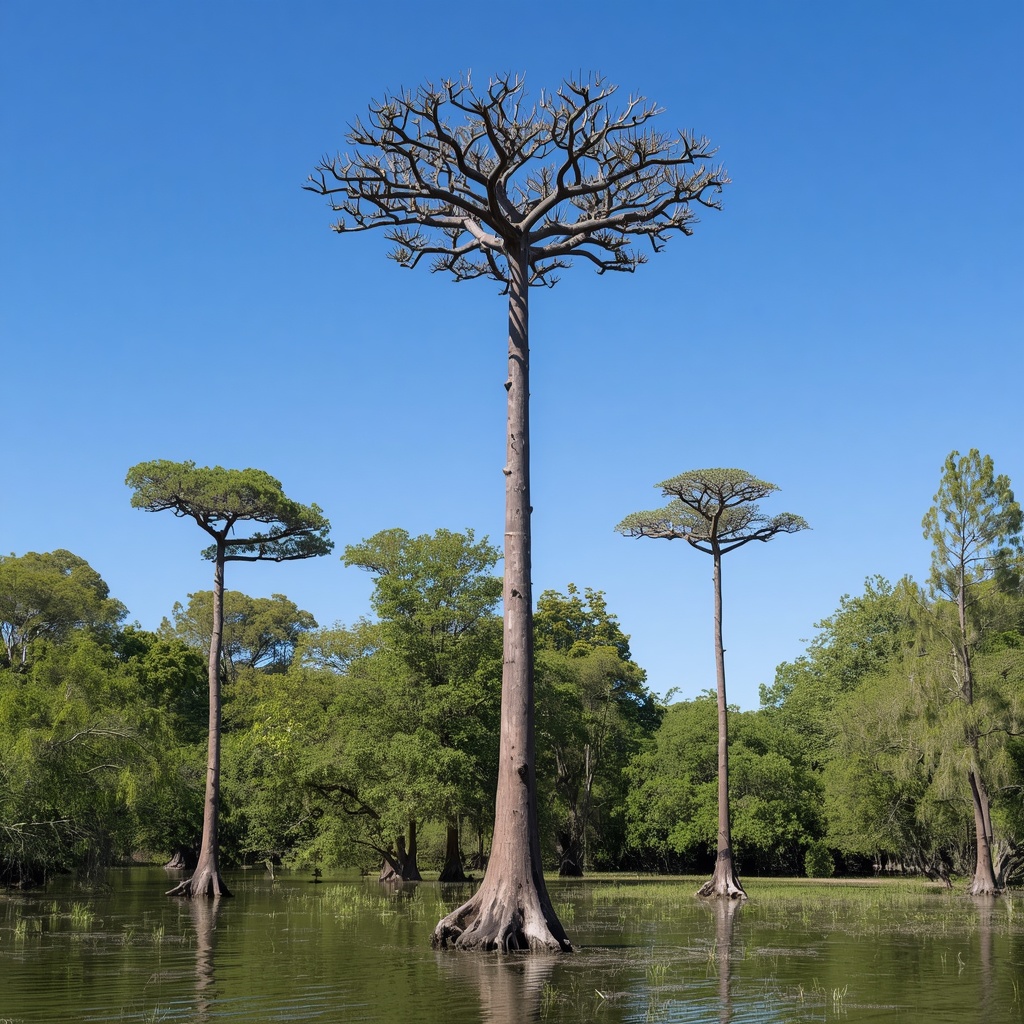
Another member of this ancient lineage, Wattieza, formed the world’s first forests. These trees grew along riverbanks and swamps, creating new ecosystems that transformed the planet. Their slender woody trunks bore fern‑like fronds, curving around the stem like the arms of a giant palm. In this lush world, oxygen levels soared, giving rise to enormous insects — the Meganeura, a giant dragonfly with a wingspan of 70 cm, and great scuttling centipedes and spiders that roamed beneath the canopy.
Later came Archaeopteris, spanning the Upper Devonian to the early Carboniferous. It was the first tree to resemble the ones we know today, spreading across the globe with deep roots and tall woody trunks. Once mistaken for a fern, its fossilised wood revealed a structure similar to conifers.
Archaeopteris grew to 30 meters during the Upper Devonian to lower Carboniferous period, with a tall, slender woody trunk, circular branches and broad, fan‑shaped fronds arranged in layered tiers — a bridge between the ancient world and the forests we walk through today. It is the first to resemble the modern tree which spread around the globe.
The Rise of Modern Plants
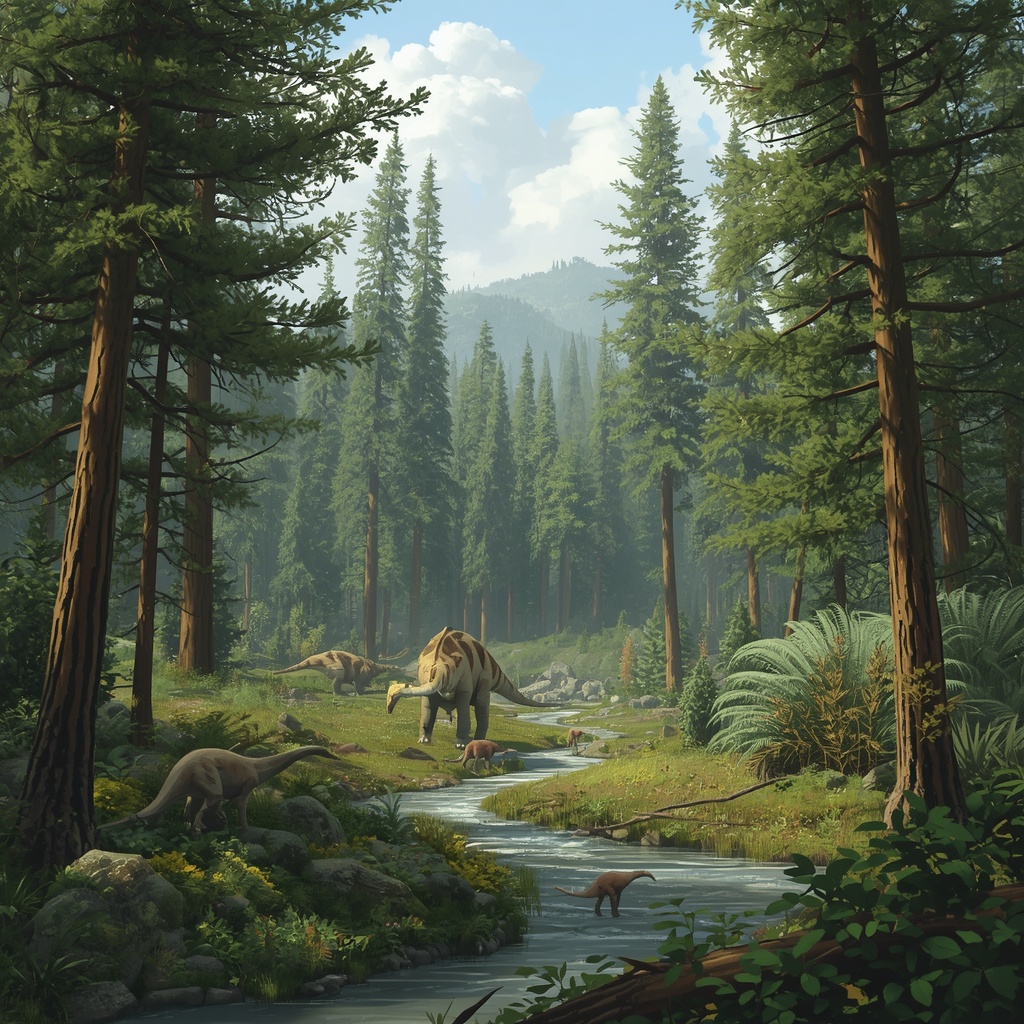
During the Triassic period, the land was dominated by conifers, pines, yews, cycads, and ginkgoes, while ferns carpeted the ground. It wasn’t until the Cretaceous period that familiar flowering plants appeared — figs, magnolias, plane trees — arriving alongside the evolution of bees.
Bees and flowers formed a mutualistic bond, each shaping the other. Bees carried pollen from bloom to bloom, and in return, flowers offered nectar and nourishment for their colonies. This partnership helped create the vibrant, diverse plant world we know today.
From prehistoric giants to the ancient olive of Crete, trees have shaped our world and sustained our lives. They give us oxygen, shelter wildlife, cleanse the air, offer food, medicine, and beauty. They are elders deserving of reverence.
The Destruction of Forests
Yet today, forests are falling to logging, paper production, expanding cities, roads, railways, mining, and agricultural clearing for cattle, soy, and palm oil. These ancient leafy beings, who have survived ice ages and extinctions, now face threats of human destruction. To honour them is to protect them — to remember that our lives are intertwined with theirs, and that the Earth breathes through their leaves.
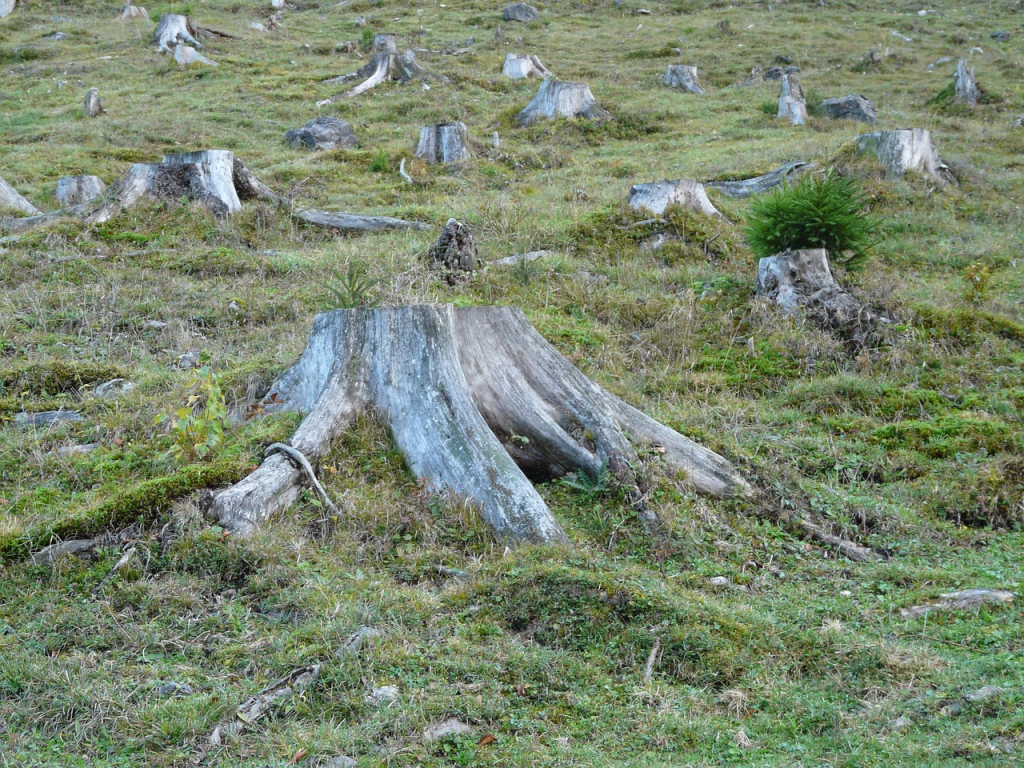
In the Amazon, the lungs of the Earth exhale a little less each year. In Southeast Asia, orangutans lose their homes to palm oil plantations. In Africa, ancient woodlands shrink under the pressure of agriculture and charcoal production. Even in temperate regions, old‑growth forests- those irreplaceable sanctuaries of wisdom, are becoming rare.
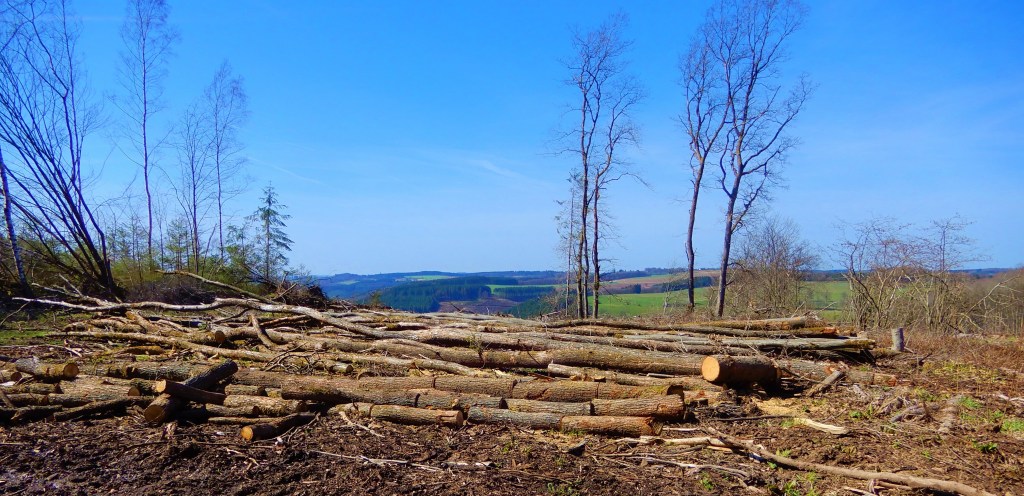
To honour the ancient trees— the bristlecones, the redwoods, the baobabs, the trembling aspens— is to protect their descendants. To plant, to restore, to defend what remains. The Earth remembers every act of care, just as it remembers every wound.
The future of forests rests in our hands, and in the choices we make for the generations who will walk beneath their shade..
Endangered Tree Species-
Venda Cycad (Encephalartos hirsutus), a popular tree native to South Africa, is overcollected and illegally cultivated for private ornamental use. It is now listed as extinct in the wild on the IUCN Red List.
The big-leaf mahogany tree (Swietenia macrophylla) is endangered in Central America, South America, and Mexico because of its popularity as a strong, high-quality wood for furniture, doors, musical instruments, and decor.
Hay Kuahiwi is a hibiscus tree native to the forests of Hawaii.
Bretschneldia sinensis tree, native to East and South China, northern Thailand and Vietnam. It is endangered due to habitat loss and timber.


Leave a Reply